
Dinner

Thai Stir-Fried Noodles That’ll Ignite Your Taste Buds Instantly!

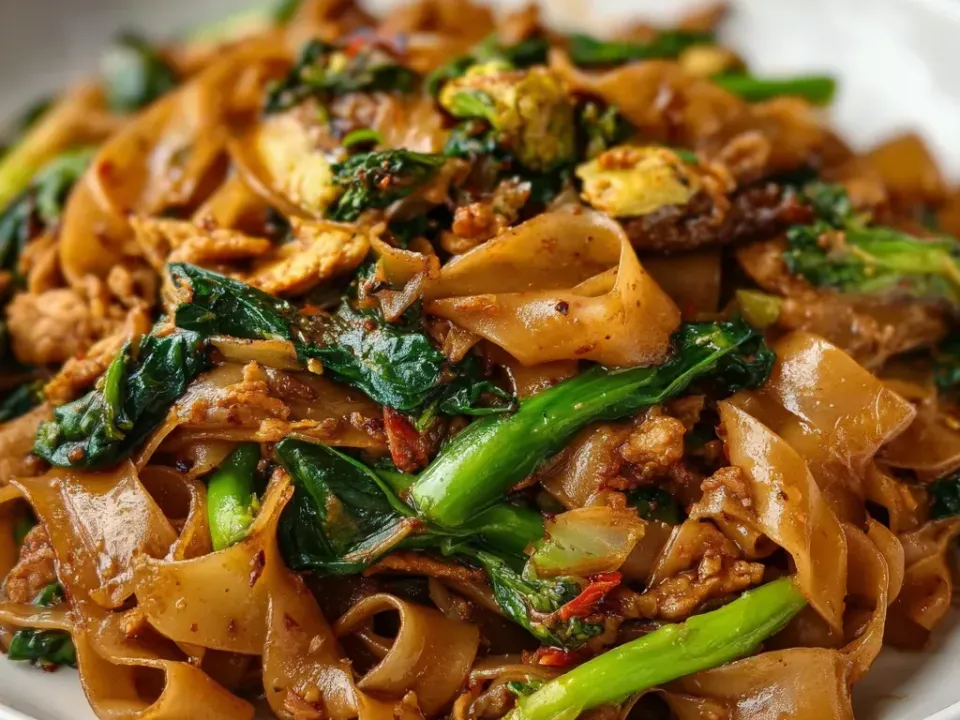
Thai stir-fried noodles bring me back to that tiny street food stall in Bangkok where I first tasted the perfect balance of sweet, salty, and tangy flavors dancing together in one glorious dish. There’s something magical about the way these noodles transform in a sizzling wok, absorbing all those incredible aromatics while maintaining that perfect chewy texture. Whether you’re craving a quick weeknight dinner or looking to impress weekend guests, this recipe delivers restaurant-quality results with surprisingly little effort. Trust me, once you master these Thai stir-fried noodles, you’ll find yourself craving them constantly.

Recipe

Why You’ll Love These Thai Stir-Fried Noodles

Perfect Balance of Flavors and Textures

The beauty of Thai stir-fried noodles lies in their perfect harmony of contrasting elements. Each bite delivers that satisfying chewy noodle texture against crisp-tender vegetables and your protein of choice. The sauce—oh, that sauce!—coats everything in a glossy embrace of umami, sweetness, and subtle heat that makes your taste buds dance. I love how the edges of the noodles get those slightly caramelized bits when they touch the hot wok. The fragrance alone, with fresh garlic, ginger, and lime, will have everyone wandering into your kitchen asking what smells so incredible.

Quick and Customizable for Any Diet

One of my favorite things about Thai stir-fried noodles is how incredibly adaptable they are. Vegetarian? Swap in tofu and extra veggies. Gluten-free? Use rice noodles and tamari instead of soy sauce. Need a protein boost? Double the chicken, shrimp, or beef. The basic technique stays the same, but you can completely transform the dish based on what you have on hand. Plus, once your ingredients are prepped (which takes just minutes), the actual cooking flies by in under 10 minutes. It’s my go-to when I need something impressive but don’t have hours to spend in the kitchen.

Essential Tips & Tricks

Mastering the Noodle Prep

The secret to perfect noodles starts before they even hit the wok. Different types require different preparation—rice noodles typically need soaking rather than boiling, while egg noodles require a quick cook. Whichever you choose, always rinse them under cold water after cooking to stop the process and remove excess starch. This prevents clumping and gives you that ideal texture. I learned the hard way that slightly undercooking them is key since they’ll continue cooking in the wok. Toss them with a tiny splash of oil after draining to keep them separate and ready for their flavor transformation in the hot wok.

The Art of High-Heat Wok Cooking

Thai stir-fried noodles require blazing hot heat to develop those authentic flavors without turning mushy. Get your wok or large skillet screaming hot before adding oil—you should see a slight shimmer or even wisps of smoke. Work in batches if needed; overcrowding the pan reduces temperature and steams rather than sears your ingredients. My technique is to cook proteins first, remove them, then vegetables, then combine everything at the end with the sauce. Keep everything moving constantly with a spatula or tongs. That sizzling sound? That’s the beautiful wok hei—the “breath of the wok” that gives authentic stir-fries their distinctive flavor.

Serving Ideas & Creative Variations

Perfect Pairings and Garnishes

Elevate your Thai stir-fried noodles with thoughtful garnishes that add both visual appeal and flavor complexity. A scatter of chopped peanuts or cashews brings delightful crunch, while fresh herbs like cilantro, Thai basil, or mint add bright, aromatic notes. I always serve lime wedges alongside for that crucial hit of acidity that makes the flavors pop. For a complete meal, pair with a simple cucumber salad dressed with rice vinegar and a touch of sugar, or crispy spring rolls for a restaurant-style experience. Don’t forget those little dishes of chili oil or sambal for heat-lovers to customize their spice level.

Regional and Seasonal Adaptations

The beauty of Thai stir-fried noodles is their endless versatility across seasons and regions. In summer, I love incorporating fresh mango slices, bell peppers, and herbs from my garden. Come fall, butternut squash and shiitake mushrooms add earthy depth. You can also explore regional variations—northern Thai style uses less sauce and more aromatics, while southern Thai versions might incorporate coconut milk for richness. For a fusion twist, try adding kimchi for Korean flair or chorizo for Spanish-Thai fusion. My family goes wild for my “clean out the fridge Friday” version where I use whatever vegetables are left from the week.

Storage & Troubleshooting Guide

Proper Storage and Reheating Methods

Thai stir-fried noodles actually make fantastic leftovers when stored properly. Allow the dish to cool completely before transferring to airtight containers—this prevents condensation that can make noodles soggy. They’ll keep in the refrigerator for 3-4 days, though the texture is best within the first 48 hours. When reheating, add a small splash of water or broth to restore moisture, then heat in a hot skillet rather than microwave to maintain texture. For meal prep, I often keep the components separate—cooked noodles, protein, vegetables, and sauce—then combine and heat just before serving for the freshest possible result.

Solving Common Noodle Problems

Even experienced cooks occasionally encounter noodle challenges, but they’re easy to fix. If your noodles clump together, a quick rinse under warm water followed by a toss with a teaspoon of oil works wonders. Too soggy? Next time, reduce soaking time and ensure your wok is hot enough to quickly evaporate moisture. Too dry? Keep a small bowl of reserved noodle-cooking water nearby to add moisture as needed. If your sauce isn’t coating evenly, try adding it to the center of the wok, letting it bubble for 15 seconds to thicken slightly before tossing with noodles. And remember—if noodles stick to your pan, it’s usually because the pan wasn’t hot enough before ingredients were added.

Frequently Asked Questions

What are the best noodles for authentic Thai stir-fried noodles?

Rice noodles (like pad thai noodles) are traditional and naturally gluten-free. Medium thickness (about ¼ inch) works best as they hold up to stir-frying without breaking. Egg noodles or even linguine can work in a pinch, though the texture will differ slightly.

Can I make Thai stir-fried noodles ahead of time?

Yes! Prep all ingredients and store separately in the refrigerator for up to 2 days. The sauce can be made 3-4 days ahead. For best results, cook just before serving, as noodles tend to absorb sauce and soften when stored together.

How do I adjust the spice level?

Start with less heat and adjust upward. For mild flavor, omit fresh chilies completely. For medium heat, remove seeds from chilies. For authentic Thai heat, use bird’s eye chilies with seeds intact. Always offer chili oil or flakes at the table.

Why are my noodles sticking together?

This usually happens when noodles aren’t rinsed after cooking or when they sit too long before stir-frying. Rinse well with cold water after cooking, toss with a little oil, and spread them out if there will be a delay before cooking.

What’s the secret to restaurant-quality Thai stir-fried noodles at home?

The key is extremely high heat, cooking in batches to maintain that heat, and having all ingredients prepped before you start. Use a wok if possible, and don’t be afraid of that sizzling sound—it’s creating the authentic flavor profile you want.

Final Thoughts

Thai stir-fried noodles have become my kitchen superpower—the dish I turn to when I want to transform ordinary ingredients into something extraordinary. There’s a reason this humble yet complex dish has captivated food lovers worldwide. The balance of sweet, sour, salty, and spicy elements creates a symphony of flavors that’s both comforting and exciting. Whether you’re cooking for one or feeding a crowd, these noodles bring a touch of Thai street food magic to your table. So grab your wok, crank up the heat, and prepare for a sensory adventure that might just become your new favorite weeknight tradition. Find more of my Thai-inspired recipes on Pinterest.