
Dinner

Sautéed Bok Choy Recipe That Will WOW Your Taste Buds!

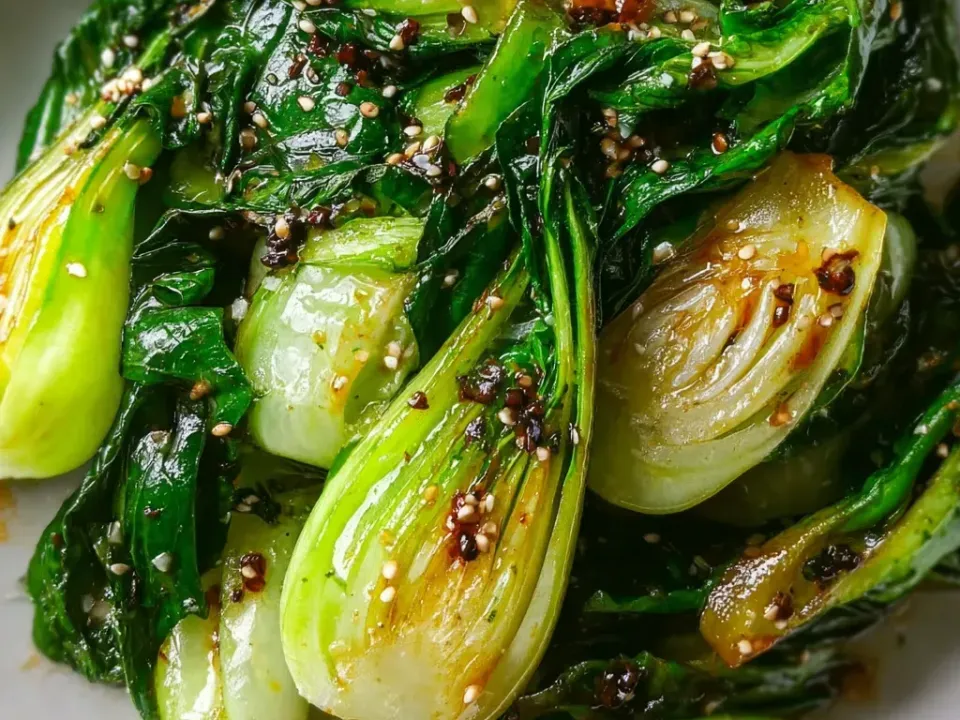
Sautéed Bok Choy is one of those side dishes that transforms an ordinary meal into something special. The first time I made it, I was amazed at how just a few minutes in a hot pan could turn these humble greens into something so flavorful and elegant. There’s something magical about the way bok choy’s crisp stems and tender leaves create the perfect texture contrast. Whether you’re pairing it with garlic herb chicken or serving it alongside your favorite Asian-inspired main, this quick veggie side brings brightness and nutrition to your table in minutes.

Recipe

Why You’ll Love This Sautéed Bok Choy

Simple Ingredients, Maximum Flavor

This sautéed bok choy recipe proves that sometimes the simplest dishes are the most impressive. With just five ingredients – fresh bok choy, garlic, ginger, soy sauce, and a touch of sesame oil – you’ll create a side dish that’s bursting with umami goodness. I love how the garlic becomes golden and fragrant while the ginger adds that perfect zing. The beauty lies in letting these quality ingredients shine without overwhelming them. The natural sweetness of the bok choy stems paired with the savory sauce creates a perfect balance that makes your taste buds dance.

Quick Cooking Time

On those hectic weeknights when I’m scrambling to get dinner on the table, this sautéed bok choy is my secret weapon. It takes just 5 minutes to prep and another 5 to cook – that’s faster than boiling pasta! The quick cooking method preserves the vibrant green color and nutrients while developing those complex flavors we crave. I’ve lost count of how many times this recipe has saved dinner when I needed something nutritious but didn’t have much time. The rapid cooking also means you can prepare it at the last minute while your main dish rests.

Essential Tips & Tricks

Proper Preparation Techniques

The key to perfect sautéed bok choy starts before it even hits the pan. Always separate the leaves from stems and wash thoroughly to remove any hidden grit. I learned this the hard way after serving sandy bok choy to dinner guests (mortifying!). Pat everything dry before cooking – excess water creates steam instead of that beautiful caramelization we’re after. For baby bok choy, I recommend halving or quartering lengthwise to create more surface area for browning while keeping the elegant shape. For larger varieties, slice the stems into uniform pieces so they cook evenly.

Mastering the Cooking Process

The secret to restaurant-quality sautéed bok choy is high heat and not overcrowding your pan. When I tried making this at my slow cooker chicken stew dinner party, I discovered that working in batches produces much better results than cramming everything in at once. Start by sautéing the stems for 1-2 minutes before adding the leaves – this ensures perfect texture throughout. Keep everything moving in the pan, especially the garlic and ginger, which can burn quickly. The final splash of soy sauce should sizzle dramatically, creating an instant glaze that coats every piece.

Serving Ideas & Creative Variations

Perfect Pairings

Sautéed bok choy shines as a versatile side that complements nearly any protein. I particularly love serving it alongside crispy hot honey feta chicken for a meal that balances rich and light elements. The clean, bright flavors of bok choy also pair beautifully with grilled fish, especially salmon or sea bass. For a complete Asian-inspired meal, serve it with steamed rice and teriyaki chicken. When hosting dinner parties, I arrange the glossy green bok choy on a long platter, creating a dramatic presentation that always impresses guests while keeping the focus on simple, quality ingredients.

Exciting Flavor Twists

While the classic garlic-ginger combination is unbeatable, don’t be afraid to experiment with your sautéed bok choy. Adding a sprinkle of red pepper flakes creates a pleasant heat that wakes up your taste buds. For a nutty dimension, finish with toasted sesame seeds or chopped cashews. My personal favorite variation includes a splash of rice vinegar and a drizzle of honey for a sweet-tangy profile that’s absolutely addictive. For special occasions, try deglazing the pan with a tablespoon of sake or mirin – the resulting sauce elevates this humble vegetable to gourmet status.

Storage & Troubleshooting Guide

Proper Storage Methods

While sautéed bok choy is best enjoyed fresh from the wok, sometimes leftovers are inevitable. Store any extras in an airtight container in the refrigerator for up to 3 days. I’ve found that the flavor actually deepens overnight, making next-day bok choy perfect for adding to grain bowls or quick lunches. To reheat, a quick 30-second zap in the microwave works, but for best results, give it a brief stir-fry to revive the texture. Freezing isn’t ideal as the texture becomes mushy, but in a pinch, frozen leftovers can be incorporated into soups or dumplings where the textural change won’t be as noticeable.

Common Challenges Solved

The most frequent issue with sautéed bok choy is excess moisture making it soggy instead of crisp-tender. The solution is simple: ensure your bok choy is thoroughly dried before cooking and your pan is hot enough to sear rather than steam. If your garlic turns bitter, you’re likely cooking it too long or at too high a temperature – add it after the stems have started to soften. For bok choy that’s too tough, you probably didn’t cook the stems long enough before adding the leaves. Remember that cooking times vary depending on size – baby bok choy cooks much faster than the larger varieties.

Frequently Asked Questions

What’s the difference between baby bok choy and regular bok choy?

Baby bok choy has a milder flavor and more tender texture than regular bok choy. It’s smaller, with pale green stems and is often used whole in stir-fries, while regular bok choy is larger with white stems and is typically chopped before cooking.

Can I make sautéed bok choy ahead of time?

Yes, you can prepare sautéed bok choy up to a day ahead. Store it refrigerated and reheat quickly in a hot pan to maintain the crisp-tender texture. It’s best served fresh, but reheating works well for meal prep.

What’s the best oil to use for sautéed bok choy?

Oils with high smoke points like avocado, grapeseed, or peanut oil work best for the initial sauté. Finish with a drizzle of sesame oil at the end for authentic flavor without burning this delicate oil.

How do I prevent my sautéed bok choy from becoming bitter?

To avoid bitterness in sautéed bok choy, don’t overcook it. Keep the cooking time brief (3-5 minutes total) and use fresh, quality ingredients. Adding a touch of sweetness like honey can also balance any natural bitterness.

Is sautéed bok choy keto-friendly?

Absolutely! Sautéed bok choy is perfect for keto diets with approximately 1.5g of net carbs per cup. It provides excellent nutrition while keeping carbs low, making it an ideal vegetable side dish for keto meal plans.

Final Thoughts

Sautéed bok choy might seem simple, but it’s this simplicity that makes it truly special. The way it transforms from raw to vibrant green perfection in just minutes never fails to delight me. I hope you’ll make this recipe part of your regular rotation – it’s proof that healthy eating doesn’t require complexity or hours in the kitchen. Whether you’re just beginning your culinary journey or you’re a seasoned cook, this dish delivers restaurant-quality results with minimal effort. For more vegetable inspiration, check out my recipes on Pinterest where I’m always sharing new ideas for making veggies the star of your plate.