

Dinner

Pink Sourdough Bread That Will Melt Your Heart Instantly!

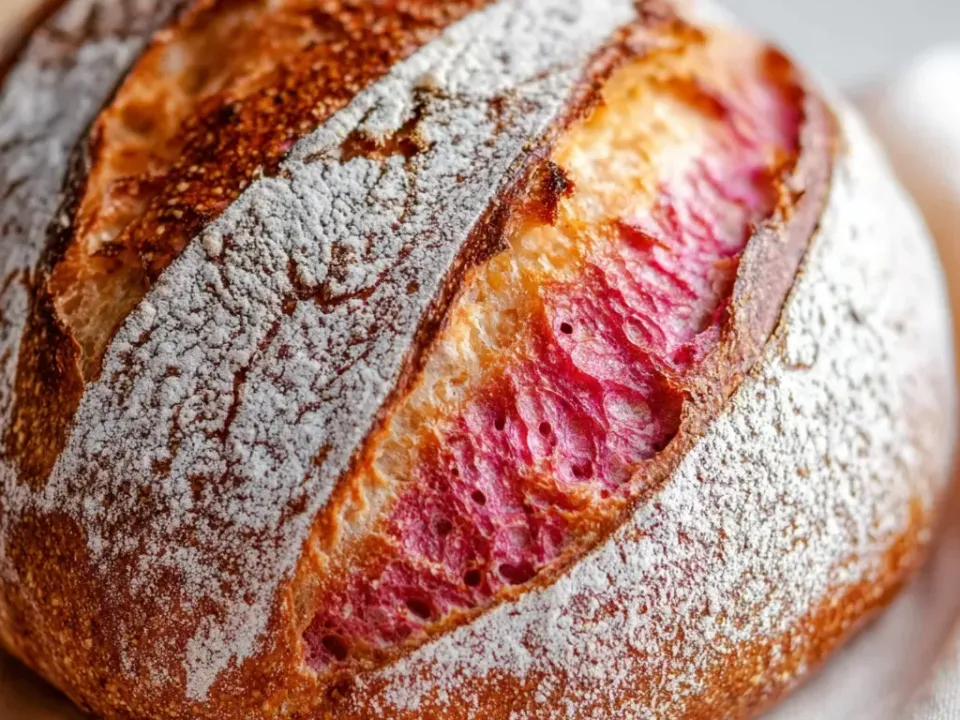
Pink sourdough bread transforms your everyday loaf into a show-stopping masterpiece that’s as delightful to look at as it is to eat. I still remember the first time I pulled a rosy loaf from my oven—my daughter’s eyes went wide with pure wonder! There’s something magical about that moment when humble ingredients transform into a vibrant, tangy creation. Using natural ingredients like beet powder or dragon fruit, this naturally colored bread maintains all the wonderful qualities of traditional sourdough while adding a playful pink hue that makes breakfast or sandwiches feel extra special. Ready to bring some rosy charm to your bread-baking adventures?

Recipe

Why You’ll Love This Pink Sourdough Bread

A Feast for the Eyes and Taste Buds

The moment you slice into this pink-hued masterpiece, you’ll understand why it’s worth the effort. The contrast between the rosy exterior and the tender, open crumb inside creates an Instagram-worthy moment every single time. But beyond its beauty, this bread delivers that perfect sourdough tang that makes your taste buds dance. I’ve served this at countless brunches, and guests always pause mid-conversation when I bring it to the table. The subtle earthiness from the beet powder adds complexity without overwhelming the classic sourdough flavor profile you know and love.

Naturally Colorful Without Artificial Dyes

What makes this pink sourdough truly special is that its gorgeous color comes from natural ingredients. Instead of artificial food coloring that can leave an unpleasant aftertaste, we’re harnessing the vibrant power of beets, dragon fruit, or hibiscus. These natural colorants infuse the bread with gentle hues ranging from soft blush to vivid magenta, depending on how much you add. I love knowing exactly what goes into my family’s food, and this recipe lets you create something visually stunning while keeping the ingredient list wholesome and pronounceable.

Essential Tips & Tricks

Mastering the Pink Color

Getting that perfect pink shade requires a bit of finesse. I’ve found that freeze-dried dragon fruit powder gives the most vibrant color that holds well during baking, while beet powder creates a more subtle, earthy pink. Start with 1-2 tablespoons per loaf and adjust based on your desired intensity. Mix your colorant with the water before adding to your starter and flour—this ensures even distribution throughout the dough. Remember that the color will lighten slightly during baking, so go a shade darker than your target. I once accidentally doubled the beet powder and ended up with a stunning fuchsia loaf that became the talk of our family dinner!

Maintaining Proper Fermentation

The addition of natural colorants can slightly affect your fermentation timeline, so keep a close eye on your dough. Beet powder contains natural sugars that may speed up fermentation, while dragon fruit powder is more neutral. I recommend doing the finger poke test more frequently than with regular sourdough—when you gently poke the dough, it should spring back slowly but not completely. Keep your dough in a clear container marked with a rubber band to track its rise. If your kitchen is warm, consider reducing fermentation time by 30 minutes to avoid over-proofing, which can affect both color and texture.

Serving Ideas & Creative Variations

Stunning Breakfast and Brunch Presentations

Pink sourdough elevates even the simplest meal into something memorably beautiful. For breakfast, try thick-cut slices topped with whipped ricotta, honey, and fresh berries—the creamy white against the pink bread creates a gorgeous contrast. For brunch gatherings, I like to create a grazing board featuring pink sourdough toast points alongside soft cheeses, preserves, and fresh fruit. The bread also makes exceptional French toast that maintains its rosy hue even after soaking and cooking. My family now requests “pink toast” for special weekend breakfasts, paired with a drizzle of maple syrup and a dusting of powdered sugar.

Seasonal and Holiday Adaptations

This versatile bread can be adapted for special occasions throughout the year. For Valentine’s Day, shape your pink dough into a heart before baking, or add dried cranberries to the dough for extra sweetness and texture. During spring, I love serving it alongside strawberry-based dishes for a coordinated pink theme. For Easter, shape the dough into small dinner rolls, each with a decorative slash on top. During October’s Breast Cancer Awareness Month, serving pink sourdough becomes a meaningful conversation starter about health and prevention while gathering around the table.

Storage & Troubleshooting Guide

Preserving Color and Freshness

To maintain both the vibrant color and freshness of your pink sourdough, proper storage is essential. Once completely cooled, store your loaf cut-side down on a wooden cutting board or wrapped in a clean kitchen towel for the first day. For longer storage, wrap tightly in parchment paper followed by aluminum foil, which helps preserve moisture without squashing the crust. Avoid plastic bags, which can cause the crust to soften and the color to fade more quickly. If you notice the color starting to dull after a day or two, lightly toast your slices to revive some of the visual appeal.

Fixing Common Pink Bread Problems

Even experienced bakers encounter challenges when working with colored dough. If your bread isn’t as vibrantly pink as expected, your colorant might have been old or the acidity in your sourdough might be affecting the pigments. Try adding a pinch of baking soda to neutralize some acidity or use a fresher, more concentrated colorant next time. If your bread has an uneven color distribution, ensure you’re mixing the colorant with your liquid ingredients first, then incorporating thoroughly during the initial mix. For bread that’s too densely colored on the outside but pale inside, try reducing the baking temperature by 25°F and extending the bake time slightly.

Frequently Asked Questions

What natural ingredients can I use to color my sourdough pink?

Beet powder, freeze-dried dragon fruit powder, hibiscus powder, and raspberry powder all work beautifully. Beet provides an earthy pink, while dragon fruit creates a vibrant magenta that holds well during baking. Start with 1-2 tablespoons per loaf.

Will pink sourdough bread taste different from regular sourdough?

Depending on your colorant choice, you may notice subtle flavor changes. Beet powder adds earthiness, dragon fruit is mildly sweet, and hibiscus brings slight tartness. The classic sourdough tang remains the dominant flavor profile.

Can I freeze pink sourdough bread?

Absolutely! Slice before freezing for easy toasting later. Wrap tightly in parchment paper, then foil or a freezer bag. The color may fade slightly after thawing but will revive somewhat when toasted.

How do I prevent my pink sourdough bread from turning brown while baking?

Bake at a slightly lower temperature (25°F less than your usual sourdough recipe) and consider covering with foil during the last 15 minutes. Adding a tablespoon of vitamin C powder (ascorbic acid) to the dough can also help preserve color.

Why did my pink sourdough bread lose its color after baking?

Heat breaks down natural pigments. For more vibrant pink sourdough bread, use freeze-dried powders rather than fresh juice, slightly increase the amount of colorant, and avoid over-baking which can diminish the pink hue.

Final Thoughts

Pink sourdough bread brings joy to both baking and eating experiences, turning an everyday staple into something extraordinary. The process of creating this colorful loaf connects ancient bread-making traditions with playful modern aesthetics. I’ve found that these vibrant loaves spark conversations, create memorable meals, and bring smiles to faces young and old. Whether you’re baking for a special occasion or simply want to add some cheerful color to your daily bread, this pink sourdough recipe deserves a regular spot in your baking rotation. Don’t forget to share your creations on Pinterest to inspire others!