

Dinner
Overnight French Toast Casserole – Comforting, Irresistible
Jump to Recipe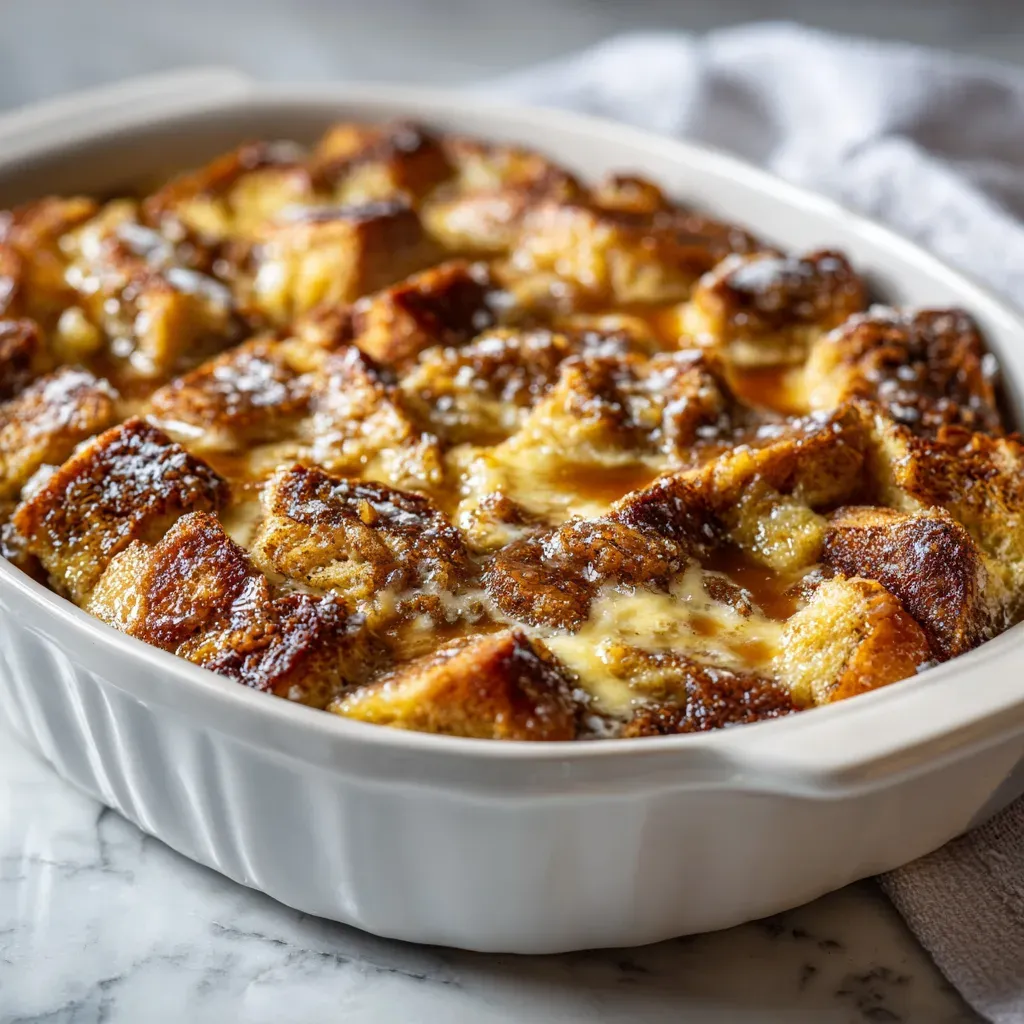
Overnight French Toast Casserole – Comforting, Irresistible
Ingredients
- 1 lb day-old brioche or challah, cut into 1-inch cubes (about 10–12 cups)
- 8 large eggs
- 1 1/2 cups whole milk
- 1 cup heavy cream
- 1/3 cup granulated sugar
- 2 teaspoons pure vanilla extract
- 2 teaspoons ground cinnamon, divided
- 1/4 teaspoon ground nutmeg
- 1/2 teaspoon fine sea salt
- 2 tablespoons unsalted butter, melted (for the casserole)
- Topping: 1/2 cup all-purpose flour
- Topping: 1/3 cup packed light brown sugar
- Topping: 4 tablespoons cold unsalted butter, cubed
- Topping: 1/2 cup chopped pecans (optional)
- For serving: maple syrup, powdered sugar, and fresh berries
Instructions
- Grease a 9x13-inch baking dish. Add the cubed brioche or challah in an even layer.
- In a large bowl, whisk eggs, milk, cream, granulated sugar, vanilla, 1 1/2 teaspoons cinnamon, nutmeg, and salt until smooth.
- Drizzle the melted butter over the bread. Pour the custard evenly over the bread cubes, gently pressing to help them soak.
- Cover tightly and refrigerate 8–24 hours to hydrate and develop flavor.
- For the topping: In a bowl, combine flour, brown sugar, and remaining 1/2 teaspoon cinnamon. Cut in the cold butter until coarse, pea-sized crumbs form; stir in pecans if using. Cover and refrigerate.
- Preheat the oven to 350°F (175°C). Uncover the casserole and sprinkle the chilled topping evenly over the surface.
- Bake 45–55 minutes until puffed and golden; the center should be set but custardy (165–175°F if using a thermometer).
- Cool 10 minutes. Dust with powdered sugar and serve warm with maple syrup and berries.
Overnight French Toast Casserole saved my Saturday brunch when my mixer went missing and my dog ran off with the spatula. I tossed cubes of day-old brioche into a pan, whisked a quick custard, and let the magic happen in the fridge. By morning, Overnight French Toast Casserole was puffed, golden, and cinnamon-kissed—no flipping, no fuss. I poured coffee, we dusted with powdered sugar, and nobody noticed the spatula. This is my kind of kitchen chaos ending: cozy, simple, and delicious.
Table of Contents
Recipe
Why You’ll Love This Overnight French Toast Casserole
What Makes This Overnight French Toast Casserole So Irresistible
I learned the beauty of Overnight French Toast Casserole the morning I accidentally double-booked brunch and soccer carpool. I whisked a custard, soaked the bread, and went to bed—then woke up to a puffed, golden tray of comfort food that made me look like I planned it all along.
Overnight French Toast Casserole delivers bakery-level flavor with barely any morning effort. It’s the kind of homemade, one-pan meal that wraps the whole house in cinnamon warmth. And yes, the first slice always disappears before I can grab the camera. If you crave an easy dinner-for-breakfast or an unfussy crowd-pleaser, this cozy bake is the answer. The Overnight French Toast Casserole method gives you time back, flavor forward, and stress down.
- Make-ahead magic: Minimal morning work; just bake and serve.
- Comforting taste: Custardy center with a buttery, cinnamon-sugar crumble.
- Simple ingredients: Pantry staples and day-old bread—budget-friendly and homemade.
- Family-friendly: A one-pan breakfast that doubles as brunch dessert.
- Reliable results: The soak ensures even texture and rich flavor every time.
Trending Reason People Are Talking About Overnight French Toast Casserole
Between holiday brunch boards and make-ahead hosting, Overnight French Toast Casserole keeps trending because it’s an easy recipe with show-stopping payoff. It tastes like a bakery treat, eats like a hug, and bakes while you brew coffee. Whether you’re serving an easy dinner breakfast night or planning a festive brunch spread, this comfort food classic scales up, plates beautifully, and never fails to gather compliments. Ready to get baking? Let’s head to the recipe card and make the homemade version that keeps guests lingering for seconds.
Tips, Tricks & Expert Secrets for Overnight French Toast Casserole
Chef Tips for Perfect Overnight French Toast Casserole Every Time
During a cooking class, I once whisked the custard so furiously I made bubbles big enough to float a toy boat. Lesson learned: gentler is better for Overnight French Toast Casserole. Here’s how I guarantee dreamy texture and deep flavor in this easy recipe:
- Bread matters: Use day-old brioche or challah. The slight dryness soaks up custard for a plush, not soggy, homemade version.
- Soak smart: Aim for 8–24 hours. The longer rest equals deeper flavor and even bake.
- Temp and time: Bake at 350°F until the center reaches 165–175°F. A quick cooking tip that prevents underbaked middles.
- Rest before slicing: 10 minutes lets the custard set and the steam settle for clean squares.
Smart Ingredient Swaps & Practical Cooking Advice
- Dairy-light: Swap half-and-half for cream, or use all whole milk for a lighter custard.
- Gluten-free: Use your favorite sturdy gluten-free brioche-style loaf; everything else remains the same.
- Vegan twist: Use a plant brioche, whisk 1 3/4 cups oat milk with 1/4 cup canned coconut milk, and replace eggs with 3 tablespoons ground flax mixed with 1/2 cup water; add 1 tablespoon cornstarch to help set.
- Flavor boosters: A teaspoon of orange zest or a splash of bourbon warms the profile without overpowering.
What not to do: Don’t overmix the custard or shred the bread. Overmixing adds air and can cause a dry top with a hollow center; tearing bread too small leads to a dense, uneven texture. Keep your Overnight French Toast Casserole simple for maximum reward and quickest fix.
Serving Ideas & Creative Variations
How to Serve Overnight French Toast Casserole for Maximum Enjoyment
I once served Overnight French Toast Casserole on a cutting board like a pastry slab and my guests thought I’d hidden a patisserie in the pantry. A few plating suggestions turn a cozy bake into a moment. Try these pairing and serving ideas:
- Top with a dollop of whipped mascarpone, a drizzle of warm maple syrup, and a snowfall of powdered sugar.
- Serve alongside salty breakfast sausage or crisp bacon to balance the sweetness.
- Pour a steaming mug of Mulled Apple Cider (Crockpot) for a festive, fragrant pairing.
Flavor Twists and Seasonal Variations
- Berry Cheesecake: Swirl 4 ounces softened cream cheese with 2 tablespoons sugar; dot over the bread before baking and add 1 1/2 cups mixed berries.
- Apple Crumble: Fold in 2 cups diced sautéed apples with a pinch of cardamom; add extra cinnamon to the topping for a fall seasonal twist.
- Chocolate Hazelnut: Dollop 1/3 cup chocolate-hazelnut spread between layers, sprinkle with chopped hazelnuts, and serve with espresso.
For content creators, shoot it warm by a window for soft, steamy highlights; a side angle shows off the custardy layers. Building a brunch menu? Pair this with a savory slow-cooker classic like Crockpot Garlic Parmesan Chicken Pasta or a holiday-friendly side such as Slow Cooker Sweet Potato Casserole. Your table, your rules—just don’t forget the second pan of Overnight French Toast Casserole.
Storage & Troubleshooting Guide
How to Store and Reheat Overnight French Toast Casserole
My family believes leftovers are a lifestyle, so I tested every way to keep Overnight French Toast Casserole fresh. Here’s how to store, reheat, and keep that tender center intact:
- Room temperature: Keep at room temp up to 2 hours for serving.
- Refrigerator: Store tightly covered 3–4 days. Use glass or a lidded container to prevent drying and odors.
- Freezer: Wrap individual squares in parchment, then foil, and place in a zip-top bag up to 2 months. Thaw overnight in the fridge.
- Reheating: Oven at 325°F for 10–15 minutes (best texture). Air fryer 300°F for 5–7 minutes for crisp edges. Skillet on low with a splash of milk and a lid for a quick fix.
Troubleshooting Common Overnight French Toast Casserole Issues
- Too dry: Add an extra 1/4 cup milk next time or bake 5–8 minutes less. Cover loosely with foil for the last 15 minutes if top browns too fast.
- Watery middle: Bread may be too fresh. Use day-old bread and extend the soak to 12+ hours; bake until the center is just set.
- Uneven texture: Cubes should be evenly sized (about 1 inch). Press lightly after pouring custard to help absorption.
- Overcooked edges: Reduce oven to 325°F, increase bake time slightly, or use a metal pan for more even heat distribution.
With these storage tips and texture fixes, your Overnight French Toast Casserole will keep fresh, reheat beautifully, and remain company-ready. You’ve got this—one cozy slice at a time.
FAQs
Can I assemble Overnight French Toast Casserole two days ahead?
Yes—assemble it up to 24 hours ahead for best texture. If you need 36 hours, add 1 extra cup of bread to avoid over-soaking.
What bread works best?
Day-old brioche or challah is ideal. French bread also works; avoid very soft sandwich loaves that can become mushy.
How do I know it’s done baking?
The top should be golden, the edges set, and the center jiggle slightly. A thermometer in the middle should read 165–175°F.
Can I make Overnight French Toast Casserole without nuts?
Absolutely. Omit the pecans in the topping or replace with rolled oats for crunch.
Conclusion
Overnight French Toast Casserole is the make-ahead star that turns ordinary mornings into relaxed, memorable brunches. With simple, homemade ingredients and a one-pan method, you get bakery-style comfort food that’s as easy as it is impressive. Whether you lean classic with cinnamon and vanilla or try a seasonal twist, this Overnight French Toast Casserole delivers custardy layers, crisp edges, and irresistible aroma every time.
Brew coffee, set the table, and let the oven do the heavy lifting. Try it at home, share your flavor variations, and tag me so I can cheer you on! If you’re building a full menu, add a cozy sip like my spiced cider and a savory slow-cooker main—then enjoy every warm, cozy bite of Overnight French Toast Casserole.