
Dinner
Moroccan Couscous with Roast Vegetables: Irresistibly Flavorful & Healthy!
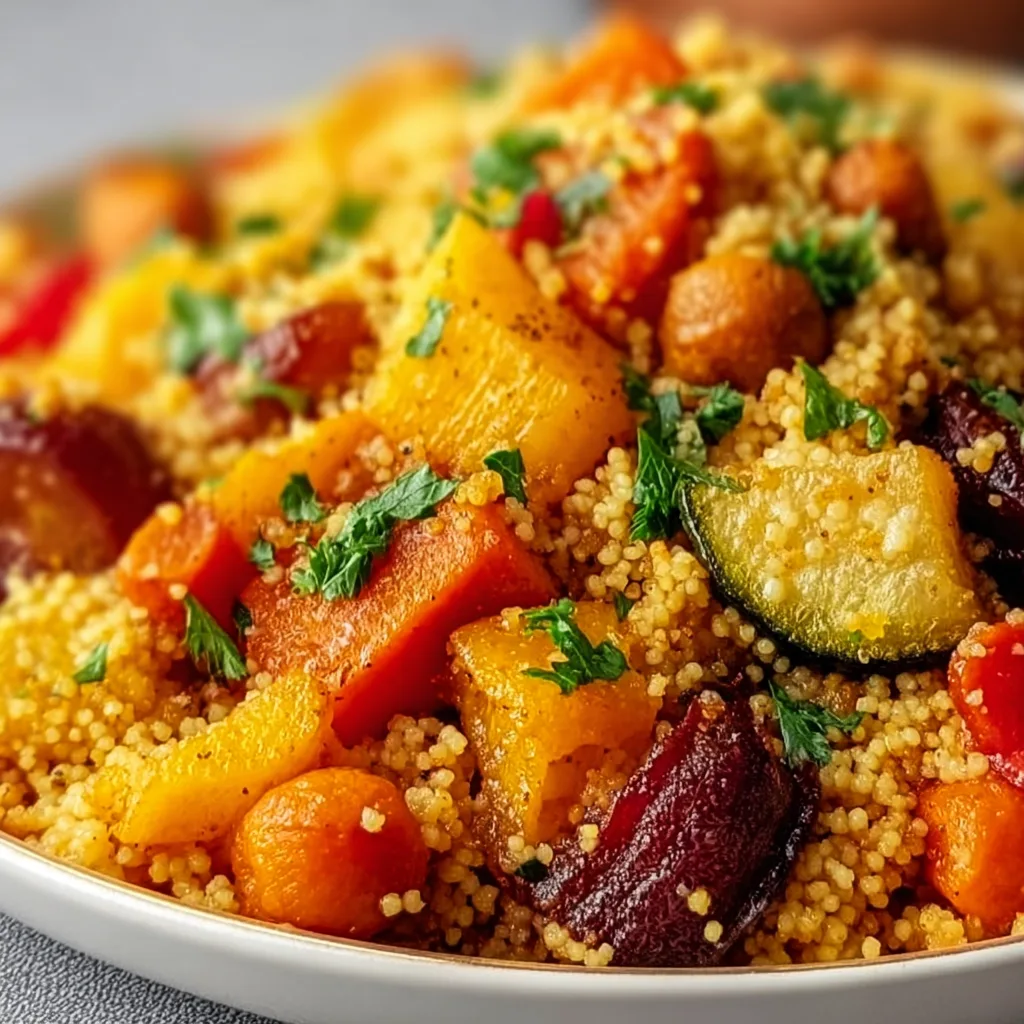
Moroccan Couscous with Roast Vegetables has become my absolute go-to when I’m craving something that feels both nourishing and exciting. The first time I made this dish, the aroma of cumin, cinnamon, and roasting vegetables transformed my kitchen into a little slice of Marrakech. There’s something magical about how the fluffy couscous soaks up all those warm spices while colorful roasted veggies add both texture and nutrition. Whether you’re meal prepping for the week ahead or serving a crowd, this vibrant dish delivers big flavors with minimal effort – exactly what I look for in my favorite recipes at Recipes Darleen.
Recipe
Why You’ll Love This Moroccan Couscous with Roast Vegetables
A Symphony of Flavors and Textures
This dish is a beautiful balance of sweet and savory elements that dance together perfectly. The natural sweetness of roasted bell peppers, carrots, and butternut squash caramelizes in the oven, creating deep flavor dimensions that plain vegetables simply don’t have. Meanwhile, the couscous provides a light, fluffy base that soaks up the aromatic spice blend. I love how the chickpeas add protein and heartiness, making this a complete meal. The first forkful always transports me straight to a bustling Moroccan market – the warm spices tickling my nose before I’ve even taken a bite.
Nourishing and Satisfying
What I adore most about this Moroccan Couscous with Roast Vegetables is how it manages to be both incredibly satisfying and genuinely nutritious. The rainbow of vegetables delivers a powerful nutrient punch – from vitamin A in carrots to antioxidants in bell peppers. Last Tuesday, after a particularly exhausting day, I threw this together and felt instantly restored after eating. The protein from chickpeas and healthy fats from olive oil make it surprisingly filling, while the complex carbohydrates in the couscous provide sustained energy. It’s comfort food that actually fuels your body properly.
Essential Tips & Tricks
Perfecting Your Vegetable Roast
The secret to elevating this dish lies in how you roast your vegetables. Always preheat your oven thoroughly to 425°F – this high heat ensures caramelization rather than steaming. Cut vegetables into uniform sizes (about 1-inch pieces) so they cook evenly. I learned the hard way that crowding the pan leads to soggy veggies, so use two baking sheets if needed. Toss everything in olive oil, making sure each piece is coated, then sprinkle with salt before roasting. This draws out moisture and intensifies flavors. For perfect texture, roast until edges are browned but centers remain tender – usually 25-30 minutes.
Mastering Fluffy Couscous
The difference between mediocre and magnificent couscous comes down to technique. Start with the right liquid-to-couscous ratio – generally 1:1 for instant couscous, but check your package instructions. The game-changer is adding a tablespoon of olive oil or butter to the boiling water before stirring in the couscous. This prevents clumping and adds richness. After adding couscous, immediately remove from heat, cover, and let stand untouched for 5 minutes. Then, the crucial step: fluff with a fork, never a spoon! This separates the grains without crushing them. For extra flavor, try substituting vegetable broth for water like in my Ranch Chicken Veggie Soup.
Serving Ideas & Creative Variations
Perfect Pairings and Garnishes
Elevate your Moroccan Couscous with Roast Vegetables by adding thoughtful finishing touches that make it restaurant-worthy. A sprinkle of fresh herbs – mint, cilantro, or parsley – adds brightness and color contrast. For texture, scatter toasted sliced almonds or pine nuts on top just before serving. I love adding a dollop of cool yogurt (dairy or plant-based) with a squeeze of lemon to balance the warm spices. For special occasions, serve alongside Blackened Chicken or grilled lamb for a protein boost. Don’t forget a final drizzle of good olive oil and flaky sea salt to make all the flavors pop!
Seasonal and Dietary Adaptations
One reason I return to this recipe constantly is its incredible flexibility across seasons and dietary needs. In summer, swap winter squash for zucchini, eggplant, and fresh tomatoes. Fall calls for root vegetables like parsnips and sweet potatoes. For a gluten-free version, use quinoa or millet instead of traditional couscous. Need it vegan? It already is! Want more protein? Add roasted tofu cubes or white beans. For a lower-carb option, try cauliflower “couscous.” I’ve even made a spicier version with harissa paste mixed into the spice blend that was absolutely divine when I needed to warm up on a chilly evening.
Storage & Troubleshooting Guide
Keeping It Fresh
This Moroccan Couscous with Roast Vegetables maintains its quality beautifully for meal prep. Store in airtight containers in the refrigerator for up to 4 days. The flavors actually deepen overnight as the spices meld together! When reheating, add a splash of water or broth to revive the couscous, then microwave until just heated through (about 1-2 minutes). For best texture, keep any fresh garnishes separate until serving time. If you’re planning to freeze portions, slightly undercook the vegetables as they’ll soften more when reheated. Frozen portions last up to 2 months and can be thawed overnight in the refrigerator.
Solving Common Issues
If your couscous turned out gummy, you likely used too much liquid or stirred it while it was absorbing. Next time, stick to the exact 1:1 ratio and resist peeking under the lid during the standing time. For vegetables that aren’t caramelizing properly, check that your oven temperature is accurate (an oven thermometer helps) and that you’re not overcrowding the pan. If your dish tastes bland, don’t be shy with spices – Moroccan cuisine is bold! Toast whole spices in a dry pan before grinding for more intense flavor. And remember that a final touch of acid (lemon juice) and salt at the end brightens all the flavors.
Frequently Asked Questions
Can I make Moroccan Couscous with Roast Vegetables ahead of time?
Absolutely! Roast the vegetables and prepare the couscous up to 3 days ahead. Store separately in airtight containers, then combine and reheat when ready to serve. Add fresh herbs just before serving.
What spices are essential for authentic Moroccan flavor?
Cumin, coriander, cinnamon, and paprika form the backbone. For depth, add turmeric, ginger, and a pinch of cayenne. Toast whole spices first for maximum flavor impact.
Can I use pearl couscous instead of regular couscous?
Yes! Pearl couscous (Israeli couscous) works beautifully but requires different cooking. Simmer it for about 10 minutes until tender, then drain any excess liquid before combining with vegetables.
What vegetables work best in Moroccan Couscous with Roast Vegetables?
Root vegetables, bell peppers, zucchini, and eggplant roast perfectly. Choose a colorful mix for visual appeal and nutritional variety. Harder vegetables may need longer roasting time.
How can I make this dish more substantial for a main course?
Add protein like chickpeas, grilled chicken, or lamb. Increase healthy fats with avocado slices or a generous drizzle of olive oil. Serve with a side of warm flatbread.
Final Thoughts
This Moroccan Couscous with Roast Vegetables has saved countless weeknight dinners at my house while still feeling special enough for entertaining. The beautiful balance of warming spices, nutrient-rich vegetables, and fluffy couscous creates something greater than the sum of its parts. I love how it’s endlessly adaptable to whatever’s in season or in my pantry. Whether you’re looking for a satisfying meatless main or a spectacular side dish, this recipe delivers bold flavors and nourishing ingredients that will transport your taste buds straight to North Africa. Find more inspiration for global flavors on our Pinterest board!