
Dinner
How To Roast Vegetables to Perfection: Easy, Crispy & Delicious Every Time!

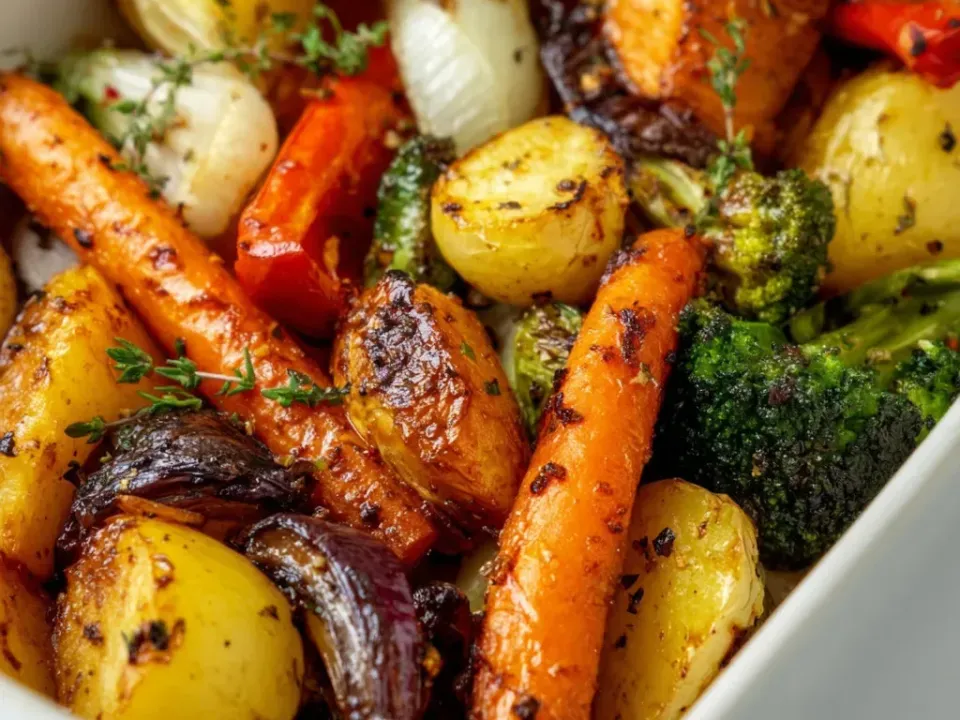
Roasting vegetables to perfection transforms ordinary produce into caramelized bites of heaven. There’s something almost magical about the way high heat coaxes out natural sugars, creating those irresistibly crispy edges and tender centers. I discovered this technique during my first apartment days when my tiny kitchen forced me to get creative. Now, it’s my go-to method for turning even the humblest veggies into the star of any meal. The beauty lies in its simplicity – just a sheet pan, some olive oil, and proper technique will elevate your vegetable game to restaurant quality.
Recipe
Why You’ll Love This Roast Vegetables to Perfection
Simple Yet Transformative
The beauty of perfectly roasted vegetables lies in their dramatic transformation. Raw carrots become candy-sweet, Brussels sprouts shed their bitter reputation, and cauliflower develops nutty undertones you never knew existed. I love watching my nephew’s face light up when he tries my maple-roasted carrots – the same child who once declared vegetables “yucky.” The minimal prep work (just chop, toss, and roast) makes this technique accessible for weeknights, yet the results are impressive enough for holiday tables. It’s the rare cooking method that’s both practical and magical.
Versatility Beyond Compare
From hearty root vegetables to delicate asparagus, the roasting method adapts to everything in your produce drawer. I keep a rotating selection of roasted vegetables ready all week – Brussels sprouts for Monday’s grain bowls, bell peppers for Tuesday’s pasta, and a medley for weekend frittatas. The technique works across seasons, transforming winter squash and summer zucchini with equal finesse. Plus, you can customize flavors endlessly – go Mediterranean with herbs and lemon, Asian-inspired with sesame and ginger, or stick with classic salt and pepper. It’s impossible to get bored.
Essential Tips & Tricks
Mastering Temperature and Timing
Finding the sweet spot between perfectly caramelized and sadly burnt requires attention to detail. I learned the hard way that 425°F is my magic number for most vegetables – hot enough for browning but not so hot that the outside burns before the inside cooks. Dense root vegetables need 30-40 minutes, while delicate asparagus might need just 10-15. The secret trick? Don’t overcrowd the pan. When vegetables are packed too tightly, they steam instead of roast, robbing you of those crispy edges we’re all chasing. Give each piece breathing room for maximum caramelization.
Cutting and Oil Application
Uniform cutting ensures everything cooks at the same rate – a lesson I painfully learned after serving partially raw potatoes alongside overcooked ones. For mixed vegetable roasts, consider starting dense vegetables earlier and adding quicker-cooking ones partway through. When it comes to oil, use enough to coat every piece lightly but not so much that vegetables are swimming. My favorite method is tossing everything in a bowl before transferring to the pan – this ensures even coating far better than drizzling oil directly onto the sheet pan. Remember that some vegetables (like eggplant) are oil sponges and may need extra.
Serving Ideas & Creative Variations
Beyond the Side Dish
Roasted vegetables deserve to be more than just a supporting player on your plate. Transform them into the foundation of grain bowls topped with a jammy egg, or blend them into the creamiest soup you’ve ever tasted without a drop of cream. Last winter, I served roasted vegetable tartines at a dinner party, and guests still ask for the recipe. For weeknight ease, toss roasted vegetables with pasta, a splash of pasta water, and Parmesan for an instant elevated dinner. The concentrated flavors mean these vegetables can carry a dish without extensive additional seasoning.
Flavor Boosters and Finishing Touches
The magic happens in the final flourishes that take roasted vegetables from good to unforgettable. Add hardy herbs like rosemary or thyme before roasting, but save delicate ones like basil or cilantro for after. A splash of acid – lemon juice, balsamic vinegar, or even pickle brine – cuts through richness and brightens everything. My personal favorite trick? Tossing hot-from-the-oven vegetables with a tablespoon of butter and minced garlic for an aromatic finish that makes people swoon. For special occasions, consider fancy finishers: toasted nuts, crumbled cheese, pomegranate seeds, or crispy breadcrumbs.
Storage & Troubleshooting Guide
Proper Storage for Maximum Enjoyment
Roasted vegetables maintain their delicious quality when stored properly, though they’ll never be quite as perfect as fresh from the oven. Cool completely before refrigerating in airtight containers to prevent sogginess from condensation. Most varieties last 4-5 days refrigerated. For meal prep, I often roast a big batch on Sunday, storing compatible flavors together. Avoid freezing most roasted vegetables as they’ll become waterlogged upon thawing – with the exception of roasted tomatoes and bell peppers, which freeze beautifully and can elevate winter sauces when summer produce is just a memory.
Rescuing Common Problems
Even experienced cooks encounter roasting mishaps. If vegetables are browning too quickly but aren’t tender inside, lower the temperature and cover loosely with foil. For vegetables that cooked through but didn’t brown, try a quick broil – just watch carefully to prevent burning. If your roasted vegetables turned out bland, don’t despair! Brighten them with a post-roast drizzle of high-quality olive oil, flaky salt, or fresh herbs. And those slightly overcooked vegetables? Blend them into a spread or dip with yogurt and spices. I once rescued overly charred Brussels sprouts by chopping them finely and incorporating them into a grain salad.
Frequently Asked Questions
What’s the best temperature to roast vegetables to perfection?
Generally, 400-425°F is ideal for most vegetables. This range creates caramelization without burning while ensuring the interiors cook through properly. Adjust slightly lower for delicate vegetables or higher for dense roots.
How do I prevent my vegetables from becoming soggy?
Don’t overcrowd the pan – vegetables need space for moisture to evaporate. Pat vegetables dry before roasting, especially water-rich varieties like zucchini. Finally, serve immediately or cool completely before storing.
Can I roast frozen vegetables to perfection?
Yes! Don’t thaw them first – roast directly from frozen at 450°F with extra oil. They won’t caramelize quite as well as fresh, but you’ll still get good results with proper spacing on the pan.
Which vegetables take the longest to roast?
Dense root vegetables like potatoes, carrots, beets, and winter squash typically need 30-45 minutes. Start these first, then add quicker-cooking vegetables like bell peppers, zucchini, or asparagus later.
How can I add flavor to my roasted vegetables without adding too many calories?
Herbs, spices, garlic, citrus zest, and a small amount of Parmesan create tremendous flavor with minimal calories. Smoked paprika, za’atar, and curry powder are my favorite transformative seasonings.
Final Thoughts
Learning to roast vegetables to perfection has transformed not just my cooking, but my relationship with produce. What began as a practical cooking method has become a celebration of vegetables’ natural sweetness and complexity. The technique has endless variations yet requires no special equipment or culinary training – just attention to detail and a willingness to experiment. I find genuine joy in watching a humble tray of raw vegetables transform in the oven, emerging caramelized and irresistible. For more vegetable inspiration, visit our Pinterest collection of roasting techniques and combinations.