
Dinner
High-Protein Veggie Bake That’s Bursting with Flavor & Energy!
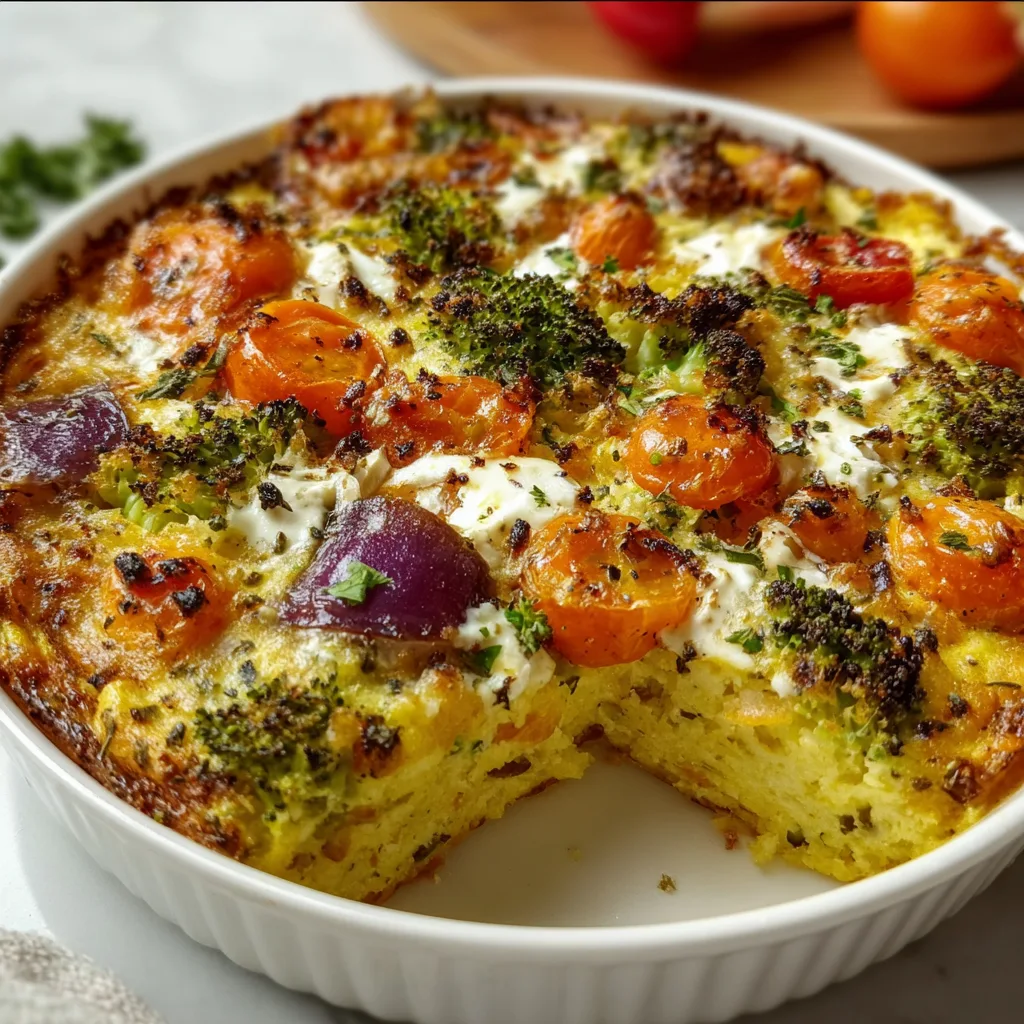
This high-protein veggie bake changed my entire meal prep game! I stumbled upon this recipe during a busy week when I needed something nutritious that wouldn’t leave me hungry an hour later. The combination of colorful vegetables, protein-rich beans, and melty cheese creates a hearty casserole that satisfies even the most demanding appetites. What I love most is how the edges get slightly crispy while the center remains tender and flavorful. Trust me, this dish will have everyone at the table reaching for seconds—even the dedicated meat-lovers in my family can’t resist!
Recipe
Why You’ll Love This High-Protein Veggie Bake
Perfect Balance of Nutrition and Flavor
This isn’t just another bland healthy dish—it’s a flavor powerhouse! Each bite delivers a perfect balance of protein, fiber, and complex carbohydrates that keep you satisfied for hours. The secret lies in layering complementary vegetables with protein-rich ingredients like chickpeas, black beans, and quinoa. I’ve found that adding a touch of smoked paprika creates depth that transforms ordinary veggies into something extraordinary. Plus, the protein content (about 25g per serving) makes this an excellent option for active lifestyles or anyone looking to reduce meat consumption without sacrificing satiety.
Versatile Make-Ahead Meal Solution
As someone who values both convenience and nutrition, I appreciate how this bake fits seamlessly into busy schedules. You can prep all components in advance and simply assemble when ready to bake. The flexibility is unmatched—prepare it on Sunday, portion it out, and enjoy stress-free meals throughout the week. I’ve even frozen individual portions that reheat beautifully for those evenings when cooking feels impossible. Unlike many meal-prep options that become tiresome, this veggie bake maintains its appeal with each serving, especially when the cheese gets all bubbly and golden on top!
Essential Tips & Tricks
Maximizing Protein Content
To truly elevate this dish to protein powerhouse status, strategic ingredient selection makes all the difference. I recommend using a combination of legumes (chickpeas, lentils, black beans) alongside quinoa for complementary amino acids. Don’t overlook less obvious protein sources like nutritional yeast (8g protein per 1/4 cup), which adds a cheesy flavor while boosting nutrition. For an extra protein bump, consider folding in some hemp seeds or chopped tempeh before baking. The key is creating layers of protein throughout the dish rather than relying on just one source—similar to how I approach my power-packed cheesy chicken potatoes.
Perfecting Texture and Moisture Balance
The difference between a mediocre veggie bake and an exceptional one often comes down to moisture management. I learned this lesson the hard way after creating several soggy disappointments! Pre-roast water-heavy vegetables like zucchini, eggplant, and mushrooms before adding them to your bake. This concentrates their flavor while eliminating excess moisture. For the perfect consistency, include a binding element such as a mixture of Greek yogurt and eggs or silken tofu blended with nutritional yeast. This creates a creamy texture that holds everything together without becoming watery or dry when baked.
Serving Ideas & Creative Variations
Complementary Side Dishes
While this high-protein veggie bake stands beautifully on its own, pairing it with the right sides elevates the entire meal experience. I love serving it with a crisp arugula salad dressed simply with lemon juice and olive oil—the peppery notes and acidity perfectly balance the richness of the bake. For a more substantial meal, consider a side of crusty whole grain bread or garlic knots to soak up any delicious sauces. When entertaining, I arrange the bake alongside roasted asparagus and a fresh Mediterranean spinach-feta dip for an impressive spread that never fails to delight guests.
Seasonal and Dietary Adaptations
One of the reasons I return to this recipe throughout the year is its adaptability to seasonal produce and dietary needs. In summer, I load it with zucchini, bell peppers, and fresh herbs from my garden. Come fall, I switch to heartier options like butternut squash, Brussels sprouts, and sage. For those following specific diets, this bake transforms easily: swap in gluten-free grains, use dairy-free cheese alternatives, or add nutrient-dense greens like kale and spinach for extra vitamins. The foundation remains the same, but these thoughtful substitutions keep the dish exciting and aligned with your nutritional goals.
Storage & Troubleshooting Guide
Proper Storage for Maximum Freshness
To maintain the optimal texture and flavor of your high-protein veggie bake, proper storage is essential. After cooling completely, portion leftovers into airtight containers and refrigerate for up to 4 days. For longer storage, wrap individual portions tightly in parchment paper, then foil, before freezing for up to 3 months. I’ve found that adding a small splash of vegetable broth when reheating prevents the dish from drying out. For best results, thaw frozen portions overnight in the refrigerator before reheating at 350°F until the center reaches 165°F—this preserves the moisture without overcooking the vegetables.
Fixing Common Veggie Bake Problems
Even experienced cooks occasionally encounter challenges with veggie bakes. If your dish turns out too watery, next time try roasting vegetables separately before assembling or adding 1-2 tablespoons of cornstarch to absorb excess moisture. For a bake that’s too dry, incorporate more binding ingredients like Greek yogurt or ricotta cheese. If you’re finding the flavor lacks depth, don’t underestimate the power of umami-rich additions like sun-dried tomatoes, nutritional yeast, or a splash of soy sauce. I once rescued an underwhelming bake by simply adding a layer of pesto before the final cheese topping—it transformed the entire dish!
Frequently Asked Questions
How can I make this high-protein veggie bake vegan?
Replace dairy cheese with nutritional yeast or plant-based cheese alternatives. Use silken tofu blended with nutritional yeast and a bit of lemon juice as a binding agent instead of eggs. Add extra beans or tempeh for additional protein.
Can I prepare this dish in advance?
Absolutely! Assemble the entire bake up to 24 hours ahead and refrigerate covered. Add an extra 10-15 minutes to the baking time if cooking directly from the refrigerator.
Which vegetables work best in this recipe?
Focus on vegetables with complementary textures—combine sturdy options like cauliflower and sweet potatoes with softer vegetables like spinach and mushrooms. Avoid very watery vegetables unless pre-roasted.
How do I prevent the bottom from getting soggy?
Pre-roast water-heavy vegetables, use a thin layer of breadcrumbs on the bottom of the dish to absorb moisture, and let the bake rest for 10-15 minutes before serving.
What’s the best way to reheat leftovers?
For best texture, reheat in a 350°F oven for 15-20 minutes. Microwave reheating works in a pinch—cover with a damp paper towel and heat in 1-minute intervals.
Final Thoughts
This high-protein veggie bake has become more than just a recipe in my kitchen—it’s a reliable solution for nourishing meals that never compromise on flavor. The beauty lies in its adaptability and how it welcomes your personal touch. Whether you’re feeding a family, meal prepping for the week, or looking to incorporate more plant-based options, this dish delivers on all fronts. I’d love to see your creations on Pinterest! Remember, the best recipes evolve with each making, so don’t be afraid to experiment and make this veggie bake truly your own.