
Dinner
German Goulash Recipes: Hearty, Authentic Comfort Food You’ll Love
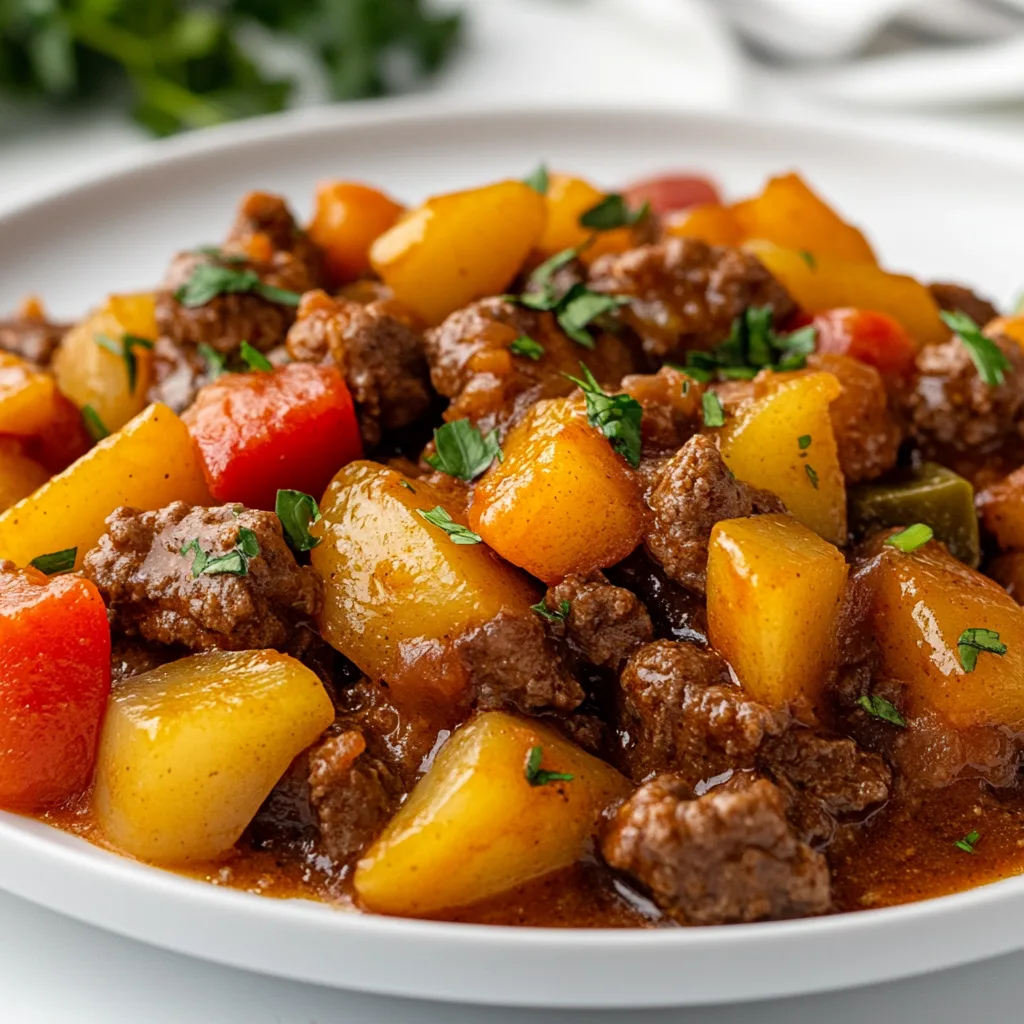
German goulash recipes hold a special place in my heart, bringing back memories of my grandmother’s kitchen filled with the aroma of paprika, tender beef, and rich gravy. This hearty, soul-warming dish transforms simple ingredients into something magical through slow simmering. Whether you’re craving comfort food on a chilly evening or looking to impress guests with authentic European cuisine, these German goulash recipes will become your new go-to meal. Let me share my favorite versions that balance traditional techniques with modern conveniences.
Table of Contents
Recipe
Why You’ll Love These German Goulash Recipes
Perfect Comfort Food for Any Season
There’s something undeniably comforting about a bowl of authentic German goulash that warms you from the inside out. Unlike its Hungarian cousin, German goulash typically features beef as the star, creating a rich, deeply savory stew that’s less spicy but equally flavorful. I love how it transforms throughout cooking—tough cuts of beef becoming meltingly tender as they simmer in that gorgeous paprika-infused sauce. It’s hearty enough for winter evenings but versatile enough to enjoy year-round, especially when served with traditional sides like spätzle or potato dumplings.
Simple Ingredients, Extraordinary Flavor
What amazes me about German goulash recipes is how they turn humble ingredients into something extraordinary. The magic happens with quality paprika (both sweet and smoked varieties), which creates that distinctive rich color and depth. Onions cooked until caramelized form the foundation, while tomato paste adds subtle acidity and body. The slow cooking process allows these simple components to develop complex flavors that taste like they took days to create. I’ve found this dish actually tastes better the next day, making it perfect for meal prep and busy weeknight dinners.
Essential Tips & Tricks
Mastering the Meat Selection
Choosing the right cut of beef makes all the difference in your German goulash. I’ve learned that tougher, collagen-rich cuts like chuck, shoulder, or round transform beautifully during the long, slow cooking process. These cuts break down gradually, releasing gelatin that creates that silky, rich mouthfeel we love. Always cut the meat into uniform 1-inch cubes and pat them thoroughly dry before browning. This crucial step creates the Maillard reaction that builds flavor. Don’t rush this stage—proper browning in batches creates the foundation for an exceptional garlic butter steak with parmesan cream sauce or any meat-based stew.
The Secret to Perfect Sauce Consistency
The signature feature of great German goulash recipes is that velvety, cling-to-your-spoon sauce. To achieve this texture, I recommend dusting your browned meat with flour before adding liquids. This creates a natural thickener that develops during cooking. Another trick: resist the urge to add too much liquid initially—the meat and vegetables release moisture as they cook. For extra body, I sometimes add a peeled, diced potato that dissolves completely during cooking, naturally thickening the sauce. If your goulash still seems thin near the end, simmer uncovered for 15-20 minutes rather than adding cornstarch.
Serving Ideas & Creative Variations
Traditional German Accompaniments
German goulash shines brightest when paired with the right sides to soak up that incredible sauce. Homemade spätzle (little German egg noodles) is my absolute favorite—their irregular shapes and chewy texture capture the sauce perfectly. Potato dumplings (kartoffelklöße) offer another authentic option, with their pillowy centers contrasting beautifully with the rich goulash. For something simpler, buttered egg noodles or mashed potatoes work wonderfully. Don’t forget the traditional accompaniment of creamy tomato basil soup as a starter, creating a complete German-inspired meal experience.
Modern Twists on Classic German Goulash
While I respect tradition, experimenting with German goulash recipes has led to some delicious discoveries. Try adding roasted red peppers for sweetness and color or incorporating mushrooms for earthy depth. For a lighter version, substitute half the beef with hearty vegetables like parsnips and butternut squash. I’ve even created fusion versions using beer instead of wine (try a German dunkel for amazing results) or adding a touch of balsamic vinegar at the end for brightness. For special occasions, elevate your goulash by adding a dollop of sour cream swirled with horseradish as a garnish.
Storage & Troubleshooting Guide
Make-Ahead and Freezer Tips
German goulash actually improves with time, making it perfect for meal prepping. Store refrigerated goulash in airtight containers for up to 4 days—the flavors will continue developing beautifully. For freezing, cool completely before transferring to freezer-safe containers, leaving about an inch of headspace for expansion. Frozen goulash keeps well for 3 months. When reheating, thaw overnight in the refrigerator, then warm gently on the stovetop with a splash of broth to restore the perfect consistency. The collagen-rich sauce prevents the meat from drying out during reheating, maintaining that tender texture.
Fixing Common Goulash Problems
Even experienced cooks occasionally encounter issues with German goulash recipes. If your meat remains tough after hours of cooking, your heat might be too high—low and slow is the golden rule. For goulash that’s too thin, remove the lid and simmer to reduce, or blend a small portion and return it to the pot for natural thickening. Too thick? Add beef broth gradually until you reach your desired consistency. If your goulash lacks depth, try adding a teaspoon of tomato paste, a splash of Worcestershire sauce, or a dash of soy sauce. These umami-rich ingredients enhance flavor without overwhelming the dish’s authentic character.
Frequently Asked Questions
What cuts of beef work best for German goulash recipes?
Chuck roast, beef shoulder, or round cuts work perfectly. These tougher cuts contain connective tissue that breaks down during slow cooking, creating tender meat and a rich, silky sauce.
How is German goulash different from Hungarian goulash?
German goulash typically uses beef (not pork or veal), less paprika, and often incorporates tomato paste. It’s generally thicker and less soup-like than Hungarian versions.
Can I make German goulash in an Instant Pot?
Absolutely! Brown meat using the sauté function, then pressure cook for 35 minutes with natural release. The flavor won’t be quite as developed as slow-cooked versions, but it’s delicious for weeknights.
What’s the best way to store leftover goulash?
Refrigerate in airtight containers for up to 4 days or freeze for 3 months. The flavors actually improve after a day in the refrigerator.
What alcoholic substitutes work in German goulash recipes?
If avoiding wine, use additional beef broth with a tablespoon of vinegar for acidity. Dark beer works beautifully too, adding wonderful malty notes.
Final Thoughts
Mastering German goulash recipes has brought me countless moments of culinary joy and connection to my heritage. There’s something magical about watching humble ingredients transform into something so profoundly satisfying. Whether you follow traditional methods or incorporate your own creative touches, the heart of this dish remains the same—comfort, flavor, and nourishment. I hope these tips inspire you to create your own German goulash memories. Don’t forget to check out more comfort food inspiration on Pinterest and share your goulash creations!