
Dinner
Easy Slow-Roasted Prime Rib Recipe | Perfect Tender & Juicy Roast
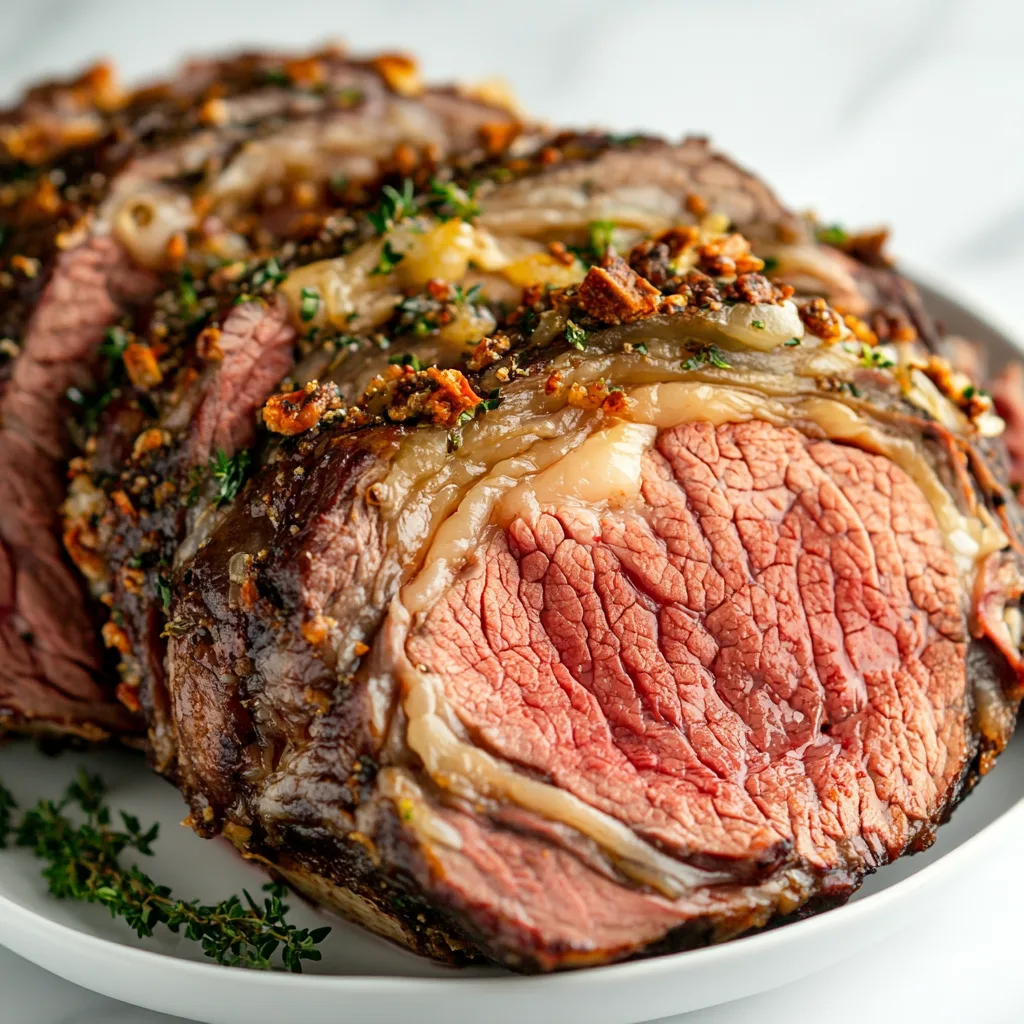
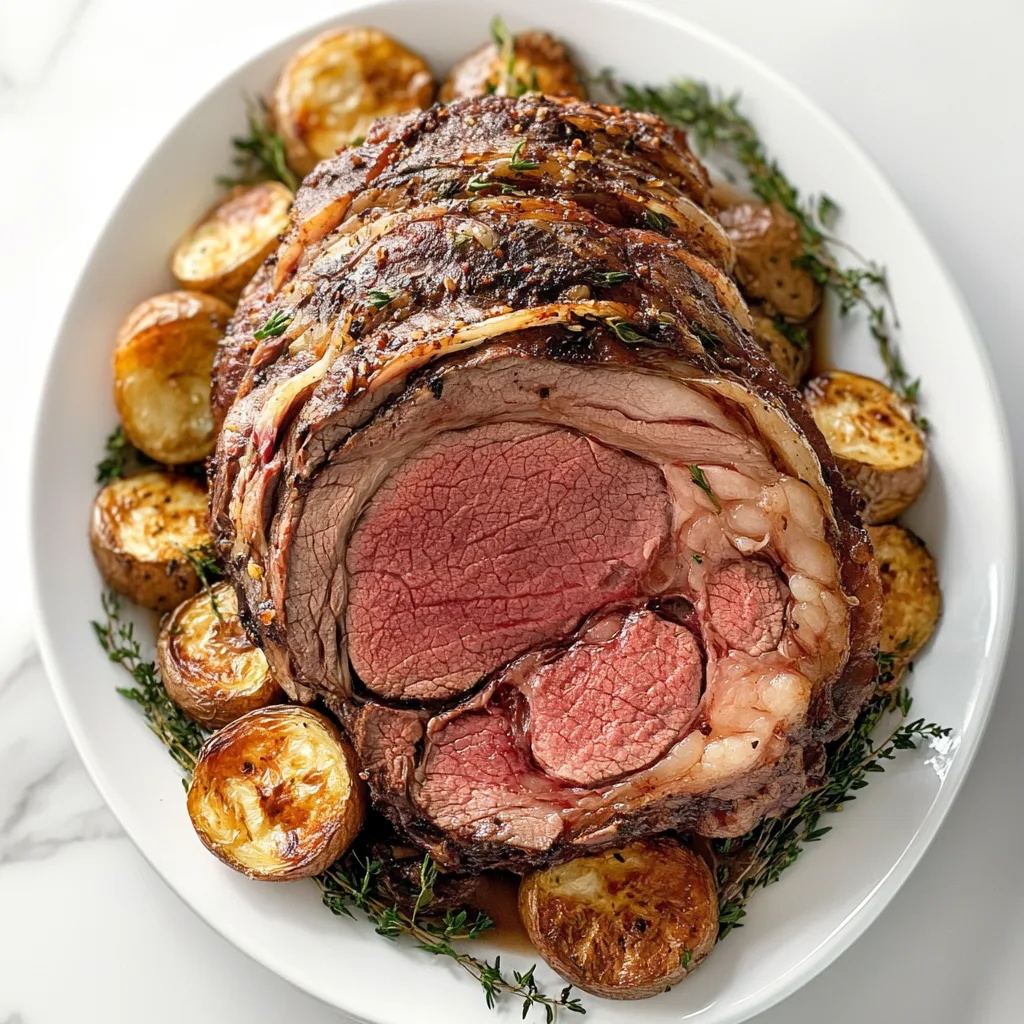
There’s something almost magical about a perfectly cooked Easy Slow-Roasted Prime Rib. The moment that knife slides through the butter-soft meat, revealing that perfect pink center surrounded by a deeply seasoned crust—it’s pure culinary poetry. I’ll never forget the first time I attempted this showstopper for my family’s holiday gathering. What seemed intimidating turned into the most rewarding cooking experience when I saw their faces light up at the first bite. Today, I’m sharing my foolproof method for creating this centerpiece that looks impressive but requires surprisingly little hands-on work. The slow-roasting technique creates the most tender, flavorful prime rib you’ve ever tasted, guaranteed to make any gathering feel special.
Table of Contents
Recipe
Why You’ll Love This Easy Slow-Roasted Prime Rib
Perfect for Special Occasions
There’s something undeniably impressive about presenting a beautifully roasted prime rib at the center of your table. This recipe shines during holiday gatherings and special celebrations when you want to create memories around food. The beauty of slow-roasting is that it transforms even moderately-priced cuts into something extraordinary. I love how this method allows me to prepare most of the work ahead of time, so I can actually enjoy my guests instead of being trapped in the kitchen. The gorgeous presentation—that moment when you slice into the roast revealing the perfect doneness—creates an instant wow factor that elevates any occasion from ordinary to unforgettable.
Surprisingly Simple Technique
Don’t let the impressive results fool you—this recipe is remarkably straightforward to execute. Unlike many showstopper dishes that require culinary school skills, slow-roasting prime rib is mostly about patience rather than technique. The method relies on a low, consistent temperature that gently brings the meat to perfection while you’re free to focus on other things. I was honestly shocked at how forgiving this cooking method is, especially for someone who used to panic about overcooking expensive cuts. The long, gentle cook creates a wide window of doneness, meaning you don’t need split-second timing to achieve excellent results. Even first-timers can nail this recipe with the right guidance.
Essential Tips & Tricks
Choosing and Preparing Your Roast
Selecting the right cut is your first step toward prime rib perfection. Look for a well-marbled roast with the bones still attached—this provides better flavor and more even cooking. Ask your butcher for a cut from the “first cut” or the loin end for the tenderest meat. Before cooking, let your roast sit at room temperature for about 2 hours. This crucial step ensures even cooking from edge to center. I always pat my roast completely dry with paper towels before seasoning, which helps create that gorgeous exterior crust we’re after. For seasoning, keep it classic with a generous coating of kosher salt, freshly ground black pepper, and garlic. The slow roast will intensify these flavors beautifully.
Temperature Control is Everything
The secret to perfect prime rib lies in precise temperature management. Invest in a good digital meat thermometer with a probe you can leave in while cooking—this single tool has transformed my roasting results. Start with a hot oven (450°F) for the first 15 minutes to develop a flavorful crust, then reduce to a low 250°F for the remainder of cooking. This gentle heat prevents the dreaded gray ring of overcooked meat around the edges. For medium-rare perfection, remove the roast when the internal temperature reaches 120-125°F, as it will continue cooking during rest. If you’re making sides like Cauliflower Cheese Gratin, this resting period gives you the perfect window to finish them in the oven.
Serving Ideas & Creative Variations
Classic Accompaniments
The beauty of prime rib lies in its rich, beefy flavor that pairs wonderfully with both simple and elaborate sides. Traditional horseradish cream sauce provides the perfect peppery counterpoint to the rich meat—just mix prepared horseradish with sour cream, a touch of Dijon, and lemon juice. For sides, I love serving Yorkshire puddings that capture the flavorful drippings, along with roasted potatoes crisped in some of that rendered beef fat. A bright, acidic element like a simple arugula salad with lemon vinaigrette helps cut through the richness. Don’t forget about au jus—those natural cooking juices, lightly seasoned and strained, create a light sauce that enhances rather than masks the meat’s natural flavors.
Unexpected Flavor Directions
While traditional preparations are timeless, I love experimenting with different flavor profiles for my prime rib. Try a herb-forward crust using rosemary, thyme, and sage mixed with olive oil and applied before roasting—it creates an aromatic experience that’s especially lovely for winter gatherings. For something unexpected, consider a coffee and brown sugar rub that creates a deep, complex crust with subtle sweetness. You could also explore international flavors like a gremolata topping (lemon zest, parsley, and garlic) served over the sliced meat for a bright Italian twist. For a complete meal experience, pair your prime rib with Slow Cooker Sweet Potato Casserole for a sweet counterpoint to the savory meat.
Storage & Troubleshooting Guide
Making the Most of Leftovers
Prime rib leftovers are a luxury that deserve special treatment. Store any uneaten roast in an airtight container in the refrigerator for up to 4 days. The key to maintaining quality is proper reheating—avoid the microwave which will continue cooking the meat. Instead, slice the cold beef thinly and warm it gently in beef broth just until heated through. Leftover prime rib makes incredible sandwiches on crusty bread with horseradish sauce and arugula. You can also transform it into luxurious hash with potatoes and onions for breakfast, or slice it paper-thin for quick beef stroganoff. Don’t discard the bones—they make exceptional stock that can be the foundation for French onion soup or risotto.
Solving Common Problems
Even with the most careful preparation, challenges can arise. If your prime rib develops a dark crust too quickly, tent it loosely with foil to prevent burning while allowing continued cooking. For undercooked sections (particularly near the bone), you can slice those portions and briefly sear them in a hot pan—much better than returning the entire roast to the oven. If your roast seems tough, it’s likely undercooked rather than overcooked, as prime rib gets more tender as it reaches medium-rare. Temperature variations in your oven can affect cooking times significantly, so always rely on your meat thermometer rather than just time. Remember that different ovens can vary by as much as 50 degrees from their stated temperature.
Frequently Asked Questions
How much prime rib should I buy per person?
Plan for about ¾ pound per person for bone-in prime rib (or ½ pound for boneless). This accounts for shrinkage during cooking and provides for some leftovers, which are always appreciated!
Can I prepare Easy Slow-Roasted Prime Rib in advance?
You can season the roast up to 24 hours ahead and refrigerate uncovered. Let it come to room temperature for 2 hours before roasting for the best results.
What’s the difference between prime rib and ribeye?
Prime rib is a larger cut that includes the ribeye muscle and bone, roasted whole. Ribeye is a steak cut from the same muscle area but without bones, typically cooked individually.
How long should prime rib rest after cooking?
Allow at least 20-30 minutes of resting time under loose foil. For larger roasts (5+ pounds), extend this to 30-45 minutes for optimal juice redistribution.
What wine pairs best with prime rib?
Bold reds with good structure complement prime rib beautifully. Try Cabernet Sauvignon, Malbec, or Syrah for their ability to stand up to the rich, beefy flavors.
Final Thoughts
Creating an Easy Slow-Roasted Prime Rib might seem like a culinary mountain to climb, but I hope I’ve shown you that it’s actually quite approachable. There’s something deeply satisfying about mastering this classic centerpiece—watching your guests’ eyes widen as you present it, then seeing them savor each bite in appreciative silence.
The beauty of this dish lies in its simplicity: quality ingredients, proper seasoning, and patient cooking. Whether for a holiday gathering or simply to elevate a weekend dinner, this recipe delivers restaurant-quality results in your own kitchen. I encourage you to try it just once, and I suspect it will become part of your special occasion repertoire for years to come. For more holiday inspiration, check out my Pinterest collection of celebration-worthy recipes.