
Dinner
Bigos Stew Recipe: Irresistible Flavor That Warms Your Soul!

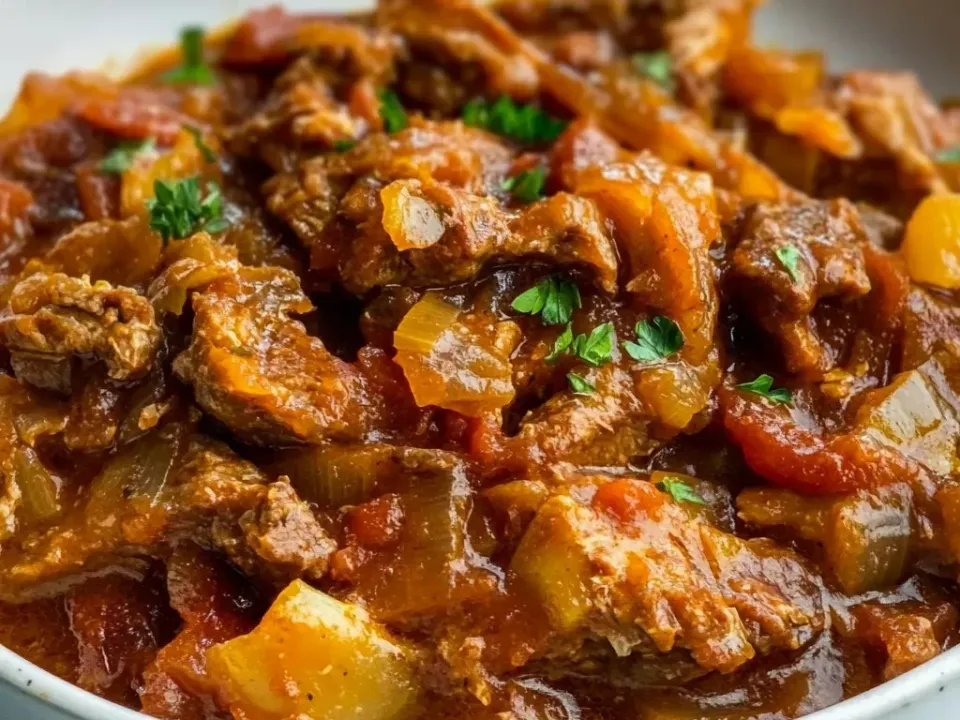
Bigos stew, often called “hunter’s stew,” is Poland’s beloved national dish that has captured my heart with its rich, complex flavors. The first time I tasted this hearty medley of sauerkraut, fresh cabbage, and various meats, I was standing in my grandmother’s steamy kitchen on a snowy December evening. The tangy aroma filled the house, drawing everyone to the kitchen like a magnet. This traditional Polish stew develops its signature depth through slow cooking, allowing the smoky kielbasa, tender pork, and tangy sauerkraut to meld into something truly magical. Today, I’m sharing my family’s treasured bigos stew recipe that’s perfect for cold winter evenings when you need something truly satisfying.
Table of Contents
Recipe
Why You’ll Love This BIGOS STEW
A Flavor Symphony That Improves With Time
What makes bigos stew truly special is how it transforms over time. The first day it’s delicious, but by day two or three? Absolutely magnificent. This is because the complex flavors continue to develop as the stew rests. The tanginess of sauerkraut mellows, the smokiness from the kielbasa permeates every bite, and the meats become incredibly tender. I’ve found myself making a double batch just to ensure we have leftovers. There’s something deeply satisfying about opening the refrigerator to find this waiting for you, knowing it’s only getting better with each passing day.
Versatile Comfort Food For Any Occasion
Bigos stew shines as both everyday comfort food and special occasion fare. Its rustic heartiness makes it perfect for casual family dinners, while its rich heritage makes it worthy of holiday celebrations. I’ve served it for everything from snow day lunches to Christmas Eve dinner. The stew’s ability to feed a crowd economically is another bonus—it stretches beautifully with a side of crusty bread or potatoes. Plus, it’s forgiving with substitutions, allowing you to use whatever meats you have on hand, much like my Southern Collard Green Potato Stew adapts to what’s available.
Essential Tips & Tricks
Building Layers of Flavor
The secret to exceptional bigos stew lies in building layers of flavor. Start by browning the meats properly—don’t rush this step! Those caramelized bits at the bottom of the pot are pure gold. I like to deglaze with a splash of red wine to capture every morsel of flavor. When adding the sauerkraut, don’t rinse it completely; that tangy brine contributes to the stew’s character. For depth, I incorporate dried mushrooms (preferably porcini) that have been rehydrated, adding both the mushrooms and their soaking liquid to the pot. This creates an earthy undertone that balances the bright acidity.
Patience Is Your Most Important Ingredient
Bigos stew is not a dish for the impatient cook. The slow simmering process is essential for breaking down the cabbage and allowing flavors to meld harmoniously. I’ve learned (sometimes the hard way) that rushing bigos leads to disappointment. Plan for at least 2-3 hours of cooking time, and if possible, make it a day ahead. After cooking, let it cool completely before refrigerating overnight. The next day, gently reheat it, adding a splash of broth if needed. This approach mimics the traditional method of repeatedly heating and cooling the stew, which develops the flavors much like aging a fine wine.
Serving Ideas & Creative Variations
Traditional Polish Accompaniments
Serve your bigos stew with hearty sides that complement its robust character. Crusty rye bread is traditional and perfect for sopping up the flavorful sauce. I also love pairing it with boiled or mashed potatoes, which provide a mild counterpoint to the stew’s intensity. For a complete Polish feast, consider adding a side of pickled beets or cucumber salad to cut through the richness. A dollop of sour cream on top adds creamy luxury, while a sprinkle of fresh dill brightens each bowl. This combination creates a balanced meal that honors bigos stew’s heritage while satisfying modern palates.
Modern Twists On A Classic
While I respect tradition, I also enjoy creating creative variations on bigos stew. For a lighter version, increase the vegetables and reduce the meat ratio. I sometimes add parsnips, turnips, or sweet potatoes for natural sweetness. For an unexpected twist, try incorporating a tablespoon of plum butter (powidła) or a handful of dried cranberries, which add subtle sweetness against the sauerkraut’s tang. Vegetarians can enjoy a mushroom-forward version using various wild mushrooms, smoked tofu, and vegetable broth. The key is maintaining the balance between sour, savory, and slightly sweet elements that makes bigos so distinctive.
Storage & Troubleshooting Guide
Optimal Storage For Maximum Flavor
Bigos stew isn’t just amenable to storage—it actively improves with proper keeping. After cooking, cool the stew completely before transferring to airtight containers. It will keep in the refrigerator for up to 5 days, with many Polish cooks insisting day 3 is the peak of flavor perfection. For longer storage, bigos freezes beautifully for up to 3 months. I portion it into meal-sized containers for easy thawing. When reheating, do so gently over medium-low heat, stirring occasionally and adding a splash of broth if it seems too thick. The flavors will reawaken and often taste even better than before.
Solving Common Bigos Challenges
Even experienced cooks occasionally face challenges with bigos stew. If your stew tastes too sour, add a grated apple or a teaspoon of honey to balance the acidity. For a stew that’s too watery, remove the lid and simmer until it reaches your desired consistency. Conversely, if it’s too thick, add some beef broth or even a splash of beer. If the cabbage remains too tough after hours of cooking, it may have been overmatured—next time, cook it longer or choose a fresher head. Remember that bigos should have a complex flavor profile; if it seems one-dimensional, try adding more herbs like juniper berries, bay leaves, or allspice.
Frequently Asked Questions
What is traditional bigos stew made of?
Traditional bigos stew combines sauerkraut, fresh cabbage, various meats (often pork, beef, and kielbasa), dried mushrooms, and spices like bay leaves and allspice. Some recipes include prunes or wine for depth of flavor.
How long does bigos stew need to cook?
Bigos stew needs a minimum of 2-3 hours of slow simmering. However, for the best flavor development, cook it, cool it, and reheat it over 2-3 days.
Can I make bigos stew in advance?
Absolutely! Bigos stew actually improves with time, making it perfect for advance preparation. Make it 1-3 days before serving for the most developed flavors.
Is bigos stew healthy?
Bigos stew contains nutritious ingredients like cabbage (high in vitamin C) and protein-rich meats. The fermented sauerkraut offers probiotic benefits, though the dish is hearty rather than light.
What can I substitute for kielbasa in bigos stew?
Any smoked sausage works well in place of kielbasa. Smoked ham, bacon, or even smoked turkey can provide the essential smoky flavor that defines good bigos stew.
Final Thoughts
Bigos stew represents the heart of Polish cuisine—resourceful, flavorful, and deeply satisfying. There’s something magical about how simple ingredients transform through time and technique into something greater than the sum of their parts. Every time I make this dish, I feel connected to generations of cooks who found ways to create abundance even in lean times. I encourage you to embrace the process, make it your own, and share it with those you love. For more recipe inspiration, visit our Pinterest page. The joy of bigos stew is not just in the eating, but in the sharing of a tradition that continues to nourish body and soul.