

Soup
Italian Penicillin Soup Recipe That Warms Your Soul Instantly
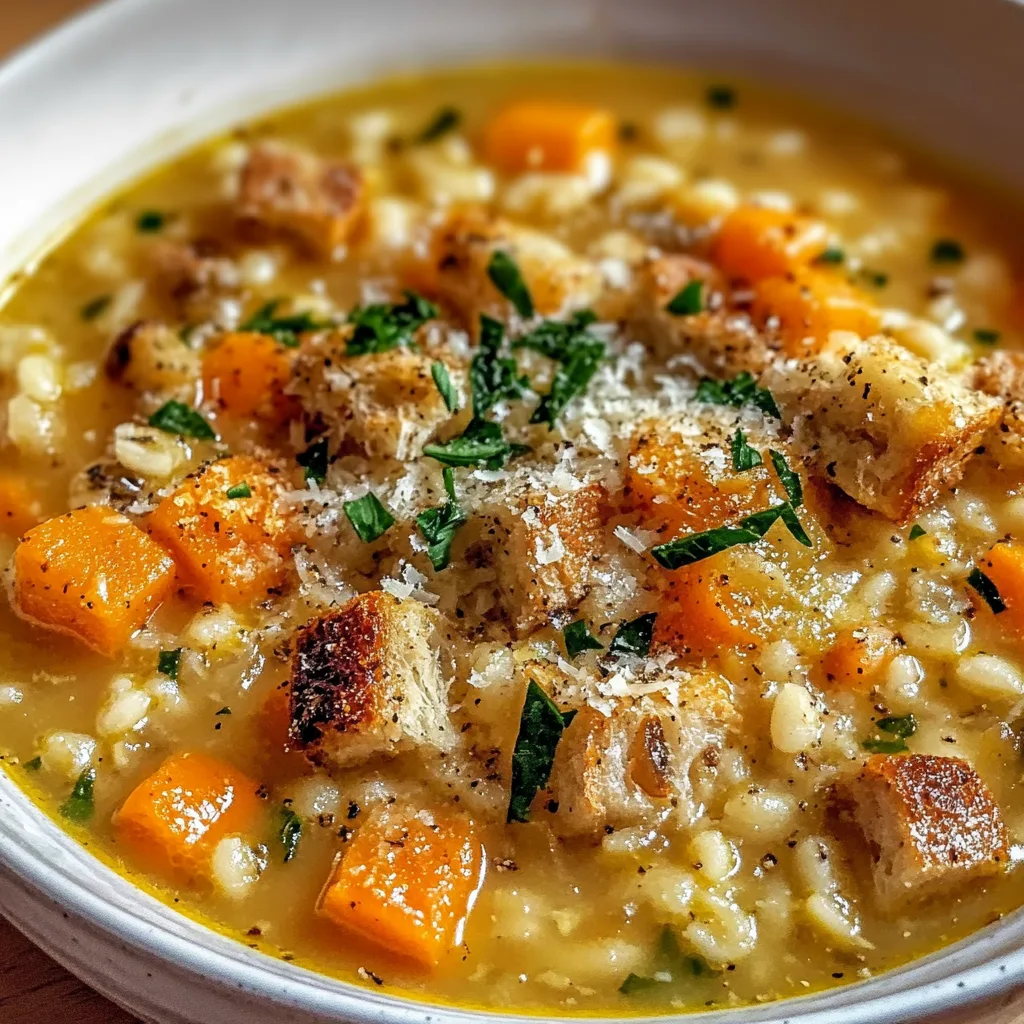
Italian Penicillin Soup is the ultimate comfort remedy that warms you from the inside out. I discovered this magical elixir during a particularly brutal winter when my whole family was battling sniffles. One steaming pot later, we were all fighting over seconds! This isn’t just soup—it’s a hug in a bowl, combining the healing powers of Italian herbs, garlic, and nourishing broth. The perfect balance of savory and soothing, this recipe has become my go-to when anyone’s feeling under the weather or simply needs some comfort food.
Table of Contents
Recipe
Why You’ll Love This Italian Penicillin Soup
A Healing Powerhouse
The magic of Italian Penicillin Soup lies in its immune-boosting ingredients. Fresh garlic releases allicin when crushed, a compound with powerful antimicrobial properties. Combined with vitamin-rich vegetables and herbs like rosemary and thyme, each spoonful delivers a medicinal punch that feels therapeutic. I’ve watched this soup work wonders during cold season—the steam alone helps clear congested sinuses! The rich broth coats your throat with soothing warmth while the gentle heat from red pepper flakes stimulates circulation and helps you sweat out toxins.
Quick and Adaptable
What I adore about this soup is how incredibly versatile it is with whatever you have on hand. No chicken? Use white beans for protein. Out of spinach? Kale works beautifully. The foundational flavor comes from the Italian herb blend and garlic-infused olive oil, which transforms even the simplest ingredients into something special. It comes together in just 30 minutes on busy weeknights, yet tastes like it’s been simmering all day. I’ve made this with frozen vegetables during pantry-cleanout days and still received compliments from my pickiest eaters!
Essential Tips & Tricks
Building Layers of Flavor
The secret to exceptional Italian Penicillin Soup starts with properly sautéing your aromatics. I always let my onions, carrots, and celery sweat for a full 5-7 minutes until they’re translucent and just beginning to caramelize. This creates a sweet foundation that balances the savory elements. Another game-changer? Adding a parmesan rind to the simmering broth—it infuses everything with an umami depth that’s impossible to replicate. For maximum flavor extraction, crush your garlic and let it rest for 10 minutes before adding it to the hot oil, allowing the medicinal compounds to fully develop.
Achieving the Perfect Texture
The ideal soup consistency requires attention to detail. For a heartier version like my hearty beef and vegetable soup, I dice vegetables uniformly—about 1/4 inch—so they cook evenly and fit perfectly on a spoon. When adding pasta, remember it continues absorbing broth even after cooking, so I either undercook it slightly or store it separately from leftover soup. For a silkier texture, try pureeing a cup of the cooked vegetables and broth, then stirring it back in. This creates a thicker base without adding cream or flour, maintaining that clean, restorative quality.
Serving Ideas & Creative Variations
Perfect Pairings
Nothing complements a steaming bowl of Italian Penicillin Soup quite like crusty garlic bread for dipping into that flavorful broth. I love serving this alongside a simple arugula salad with lemon vinaigrette—the bright acidity balances the rich, savory soup perfectly. For special occasions, I’ll make parmesan baked parsnips as an elegant side that echoes the Italian flavors. Consider setting up a toppings bar with fresh herbs, grated parmesan, chili flakes, and lemon wedges so everyone can customize their bowl. A drizzle of good olive oil just before serving adds a luxurious finish.
Regional Inspirations
Transform your basic soup into regional Italian variations with just a few tweaks. For a Tuscan twist, add cannellini beans, kale, and a splash of cream. Sicilian-style calls for adding fennel, orange zest, and a pinch of saffron for an unexpected brightness. My personal favorite is the Calabrian variation—I add spicy ‘nduja or Calabrian chili paste for serious heat that really clears the sinuses! For a heartier meal, try adding mini chicken meatballs seasoned with parmesan and herbs. You can even make it seafood-forward with the addition of small shrimp and a touch of white wine.
Storage & Troubleshooting Guide
Maximizing Leftovers
This Italian Penicillin Soup actually improves with time as the flavors meld together. Store it in airtight containers in the refrigerator for up to 4 days, or freeze portions for up to 3 months. One trick I’ve learned: freeze individual portions in silicone muffin cups, then transfer the frozen soup “pucks” to freezer bags—perfect for single servings! If you’re planning leftovers, keep pasta separate and add it fresh when reheating to prevent it from becoming mushy. For the freshest taste when reheating, add a squeeze of lemon juice and a sprinkle of fresh herbs to brighten up the flavors.
Fixing Common Issues
If your soup tastes bland, don’t just reach for salt—try brightening with a splash of acid first. Lemon juice, a dash of vinegar, or even a spoonful of tomato paste can wake up the flavors. Too thin? Simmer uncovered for 10-15 minutes to reduce, or blend a portion as mentioned earlier. If it’s too thick, simply add more quality broth (homemade is best, but a good store-bought one works too). Accidentally over-salted? Add a raw, peeled potato chunk to absorb excess salt as the soup simmers, then remove before serving. Or dilute with unsalted broth and adjust seasonings.
Frequently Asked Questions
What makes Italian Penicillin Soup different from regular chicken soup?
Italian Penicillin Soup includes distinctive Italian herbs (rosemary, thyme, basil), garlic, olive oil, and often parmesan cheese. These ingredients create a more aromatic, robust flavor profile compared to traditional chicken soup, with enhanced medicinal properties.
Can I make this soup vegetarian?
Absolutely! Substitute vegetable broth for chicken broth and add protein with white beans, chickpeas, or even cubed firm tofu. The Italian herbs and garlic still provide all the healing benefits.
How can I make this soup more filling?
Add more protein with shredded chicken or turkey, beans, or mini meatballs. For heartier carbs, increase pasta amounts or add diced potatoes, farro, or barley.
What’s the best pasta shape to use?
Small shapes like ditalini, orzo, or stelline (little stars) work best as they’re spoon-friendly and cook quickly. Avoid large shapes that make the soup awkward to eat.
How do I know when my Italian Penicillin Soup is done cooking?
Your soup is ready when vegetables are tender but not mushy (about 20-25 minutes of simmering), pasta is al dente, and the broth tastes rich and flavorful with all herbs fully infused.
Final Thoughts
Italian Penicillin Soup has earned its place as my family’s ultimate comfort remedy, whether we’re fighting off winter colds or simply craving something nourishing. The beauty of this soup lies in its simplicity and the way it brings people together around the table. I’ve shared this recipe with countless friends who now make their own versions, each adding their personal touch. Don’t forget to check out more soup inspirations on our Pinterest board for endless variations. This Italian Penicillin Soup isn’t just food—it’s care in a bowl.